
Best Fence for Dogs in South Florida
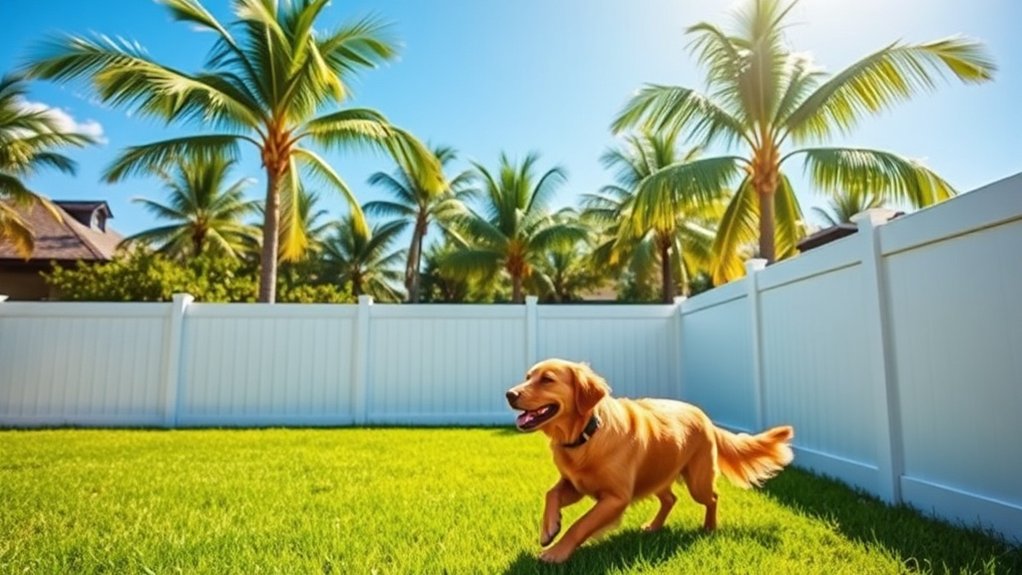
When selecting a fence for dogs in South Florida, choose materials like vinyl or aluminum. These options resist humidity and hurricanes, ensuring long-lasting durability. Vinyl offers privacy and is low-maintenance, while aluminum is corrosion-resistant and visually appealing. Aim for a fence height of at least 6 feet, and ensure it has anti-dig features and secure latches. With proper installation and attention to your dog’s behavior, you can create a safe environment for your pet. There’s much more to consider for optimal fencing effectiveness.
Understanding South Florida’s Unique Climate Challenges
Living in South Florida means you need to choose a fence for your dog that can handle the area’s unique climate. The hot, humid summers and mild winters can wear down materials quickly. High humidity leads to corrosion and rot, so it’s best to pick durable options like vinyl or aluminum instead of wood or untreated metal. Additionally, the region experiences an average annual precipitation of 100-125 cm (40-50 inches), which can affect the stability of your fence over time. Also, with the threat of hurricanes, your fence needs to withstand strong winds and flying debris. Look for sturdy designs that can handle these conditions to keep your dog safe, as vinyl fencing has a longer lifespan and requires less maintenance compared to wood.
Benefits of Vinyl Fencing for Dogs
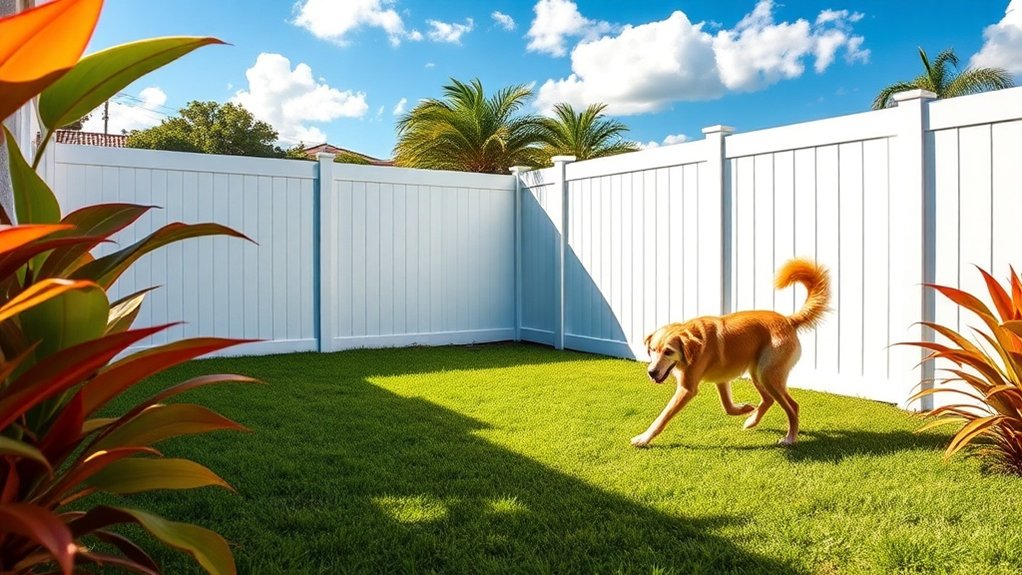
When choosing a fence for your dog, vinyl fencing is a great option. It withstands South Florida’s weather and doesn’t need painting or sealing, making it easy to maintain. Plus, it provides excellent privacy, helping your dog feel secure and reducing distractions. Additionally, vinyl fencing is made from synthetic plastic, ensuring it is durable and resistant to scratches and bites from dogs. Its low maintenance requirements mean you can spend more time enjoying your yard with your pet instead of worrying about upkeep.
Weather Resistance Features
When choosing a fence for your dog, it’s important to consider its ability to withstand tough weather.
Vinyl fencing is a great option because it’s designed to handle Florida’s strong winds and storms. Its reinforced installations help it resist wind stress, making it ideal for high-wind areas. Additionally, vinyl/PVC fence panels offer a wide range of styles to suit your aesthetics while maintaining strength.
Vinyl also has UV stabilizers that prevent fading and keep it looking good for years. Plus, it’s non-porous, which means it won’t rot or corrode from moisture or salt air. This makes vinyl fencing a reliable choice for South Florida’s climate, ensuring your dog stays safe and your property remains secure. Additionally, vinyl fencing offers unmatched durability for pet security, providing long-lasting protection against the elements.
Low Maintenance Advantages
Vinyl fencing is a great option for dog owners due to its low maintenance benefits.
Unlike wood or metal, it doesn’t require painting, staining, or sealing, saving you both time and money.
Cleaning is simple—just use soap and water or a quick pressure wash to keep it looking new.
Its durability means fewer repairs from wear and tear caused by pets.
Plus, the smooth surface is safer for your animals and avoids harmful treatments.
Enhanced Privacy Solutions
While it’s important for your dog to enjoy the outdoors, their safety and comfort come first.
Vinyl fencing is a great choice for privacy. It blocks sightlines, reducing distractions that can cause anxiety or chasing behaviors in dogs. The solid panels keep passersby out of view, minimizing provocations.
Full-height designs prevent dogs from peering out or reaching through, making it ideal for medium to large breeds. Plus, the smooth surfaces eliminate risks like splinters and rust.
With vinyl’s durability against the South Florida climate, you and your dog can relax in a secure, private space.
Wood and Composite Fencing: Pros and Cons
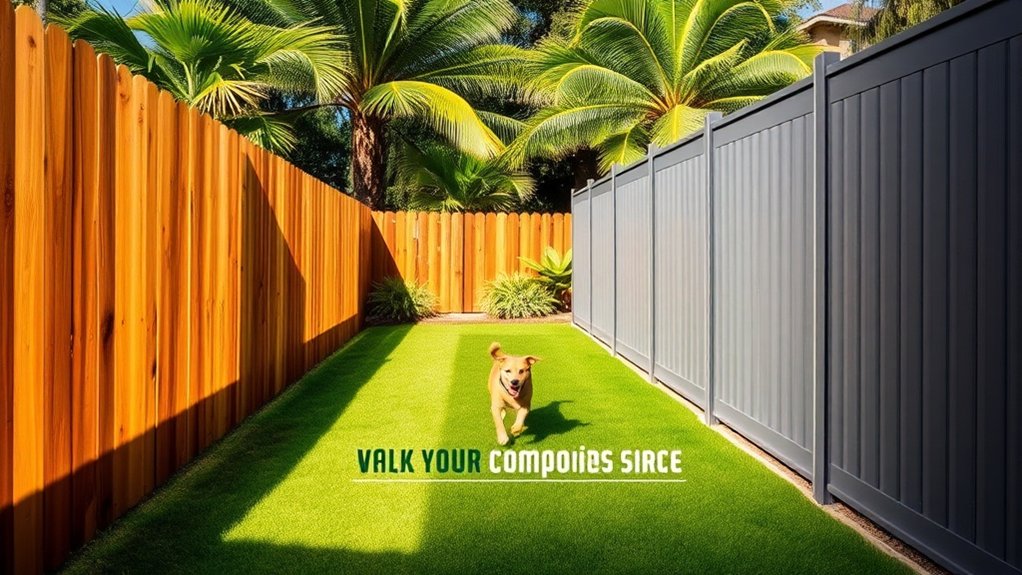
When choosing a fence for your dog, it’s important to consider the pros and cons of wood and composite materials.
Durability: Wood typically lasts 15-20 years but needs regular upkeep to avoid rot and warping, especially in humid places like South Florida.
In contrast, composite fencing lasts 30-50 years and doesn’t require staining or sealing.
Aesthetic Appeal: Wood has a classic look, while composite comes in various colors and textures that mimic wood.
Budget and Maintenance: Think about your budget and how much time you’re willing to spend on maintenance.
This will help you decide which option is best for your furry friend.
Aluminum and Ornamental Metal Fencing Options
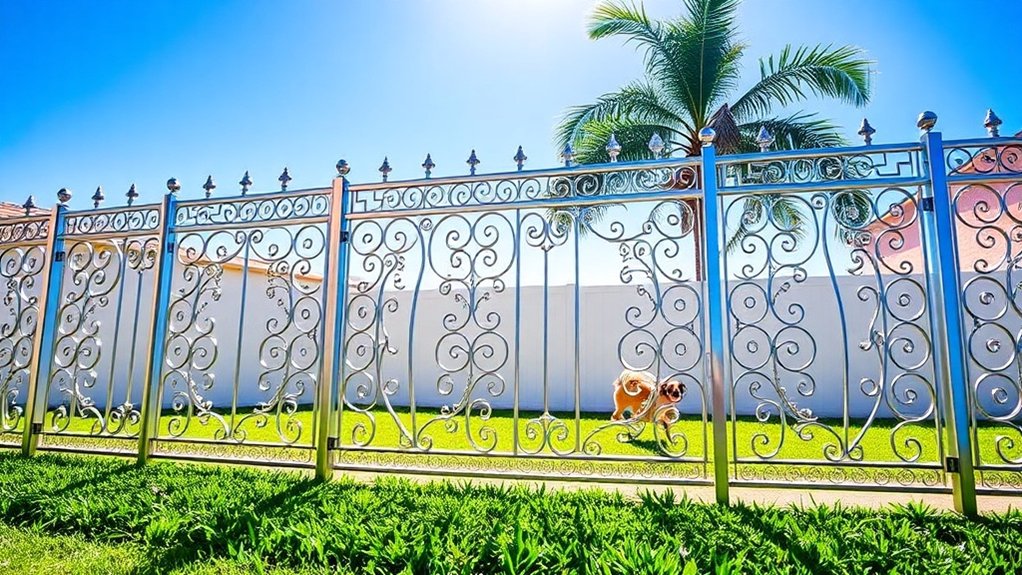
When choosing aluminum and ornamental metal fencing for your yard, you’ll benefit from its durability and resistance to corrosion, making it suitable for any climate.
These fences provide safety for your pets and enhance your home’s curb appeal.
With various designs available, you can easily find a fence that matches your style while keeping your dogs secure.
Corrosion Resistance Features
When choosing a fence for your dog, corrosion resistance is key, especially in humid areas like South Florida.
Aluminum fencing is an excellent option due to its natural rust resistance from a protective oxide layer. Unlike iron or steel, aluminum holds up well against heavy rain and salty coastal air.
Its powder-coated finish keeps out moisture and UV rays for up to 50 years. Plus, marine-grade alloys add an extra layer of protection against corrosion.
With rust-proof hardware and easy-to-replace sections, aluminum fencing offers durable, low-maintenance protection for your yard.
Visibility and Aesthetics
When choosing a fence for your dog, consider visibility and aesthetics alongside durability. Aluminum and ornamental metal fences can enhance your yard’s look while keeping your dog safe.
Here are some key features to think about:
- Open picket designs allow you to easily see and monitor your dog.
- Decorative elements like scrolls and finials add style and are often acceptable for HOA regulations.
- Powder-coated finishes resist fading, keeping colors bright even in South Florida’s sun.
These options not only protect your pet but also improve your property’s appearance.
With the right fence, you can create a beautiful, secure play area for your furry friend.
Chain-Link Fencing: Cost-Effective Solutions
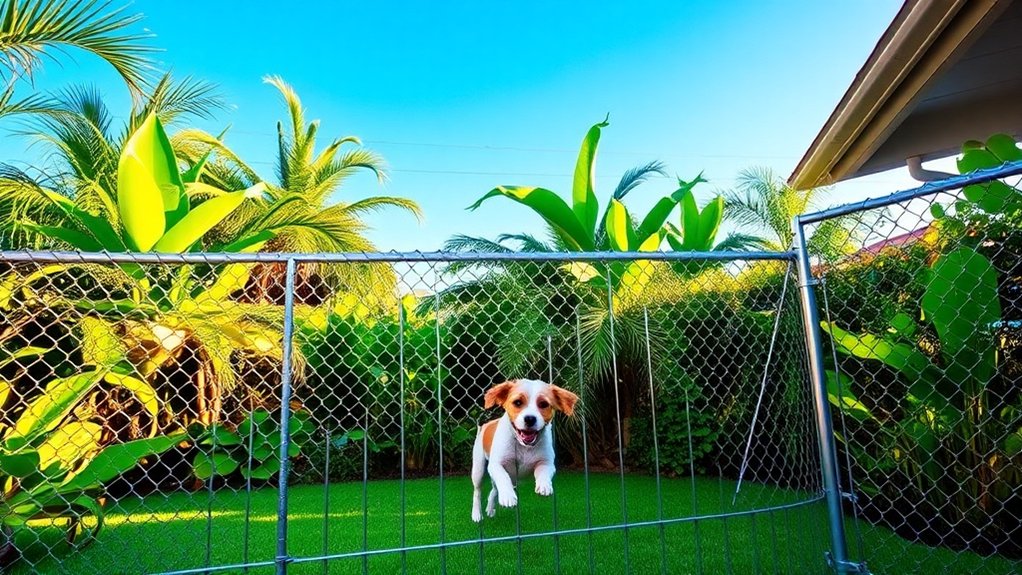
Chain-link fencing is a budget-friendly option for dog owners, offering a great balance of cost and functionality.
Installation typically ranges from $8 to $40 per linear foot, leading to average costs of $1,298 to $3,575. A 4-foot high fence usually costs between $800 and $2,000, making it an economical choice for larger spaces.
Unlike wood or iron fences, chain-link requires less maintenance and is made from durable galvanized steel that resists rust. This makes it a smart investment for keeping your pets secure.
Invisible and Wireless Containment Systems
Invisible and wireless containment systems provide a flexible and visually appealing option for keeping your dog safe at home.
By using buried wires or wireless units, these systems eliminate the need for fences.
However, it’s essential to consider their limitations and ensure they align with your pet’s training needs and lifestyle.
For example, while they can be effective, some dogs may require more structured boundaries.
System Overview
Invisible and wireless containment systems are a smart way to keep your dog safe without the need for traditional fencing.
There are two main types:
- Underground systems use buried wires along with a receiver collar.
- Wireless systems employ a central transmitter to create a circular radio field.
Both options come with adjustable stimulation levels and waterproof collars.
They’re a great alternative to bulky fences, offering flexibility while maintaining your yard’s appearance.
With the right training and setup, you can ensure your dog stays secure and your landscape looks great.
Limitations and Considerations
Invisible and wireless containment systems can keep your dog safe, but they have important limitations. Training your dog to understand the boundaries can take time, and not every pet will adapt easily. Plus, these systems don’t stop other animals from entering your yard, which could endanger your pet.
| Limitations | Considerations |
|---|---|
| Power outages can disable the system | Needs constant electricity |
| No physical barrier for intruders | Depends on dog compliance |
| May not cover the entire property | Relies on signal quality |
| Confusion from invisible barriers | Training requires patience |
Always check local fencing regulations to ensure compliance and keep your pet safe.
Key Features to Look for in a Dog Fence
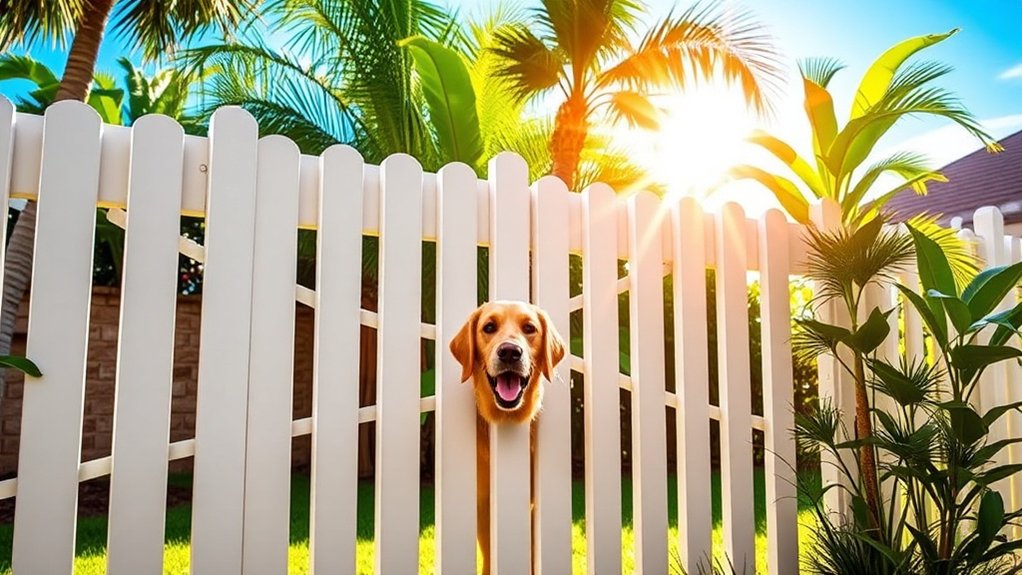
When choosing a dog fence, consider these key features for safety and durability:
- Durability: Select materials like galvanized steel or UV-stabilized vinyl that can handle South Florida’s tough weather.
- Escape prevention: Ensure the fence is tall enough, has anti-dig features, and secure latches to keep your dog inside.
- Safety features: Look for smooth edges, non-toxic materials, and good visibility to minimize injury risks during play.
Installation Tips for Enhanced Security
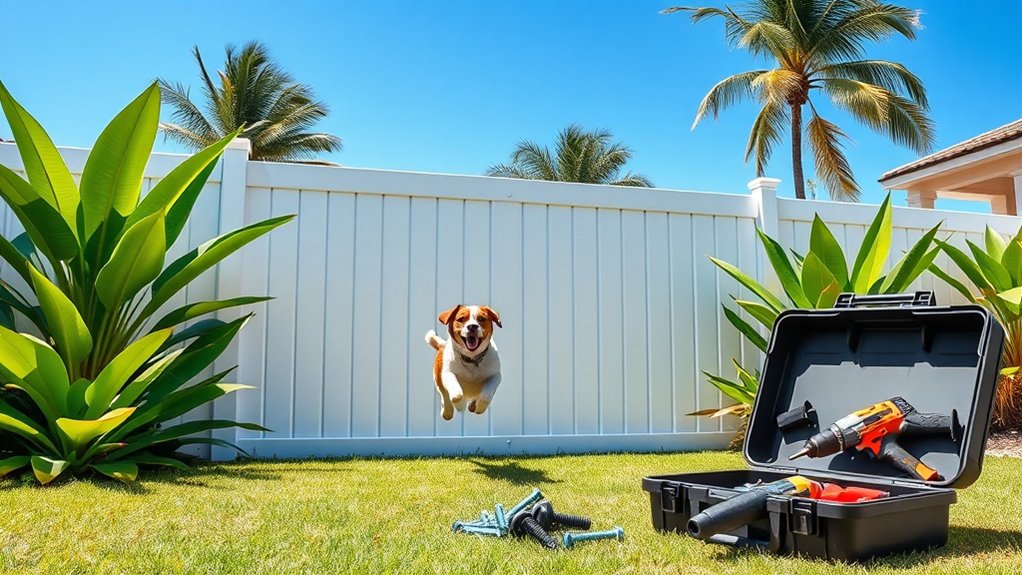
To keep your dog safe, installing the fence correctly is just as important as the materials. Choose a fence height suited to your dog’s breed; larger dogs typically need at least a 6-foot fence.
Bury the base of the fence at least one foot underground to deter digging. Use clear markers like flags to outline the fence location and plan for proper spacing of posts, especially if using high-tensile wire.
Avoid any obstructions that might weaken the fence. Consider how to lay out boundary wire to give your dog plenty of space while maintaining security.
Lastly, installing dig guards at the bottom can help prevent tunneling, ensuring your dog stays safe and secure.
Behavior-Proofing Strategies for Dogs
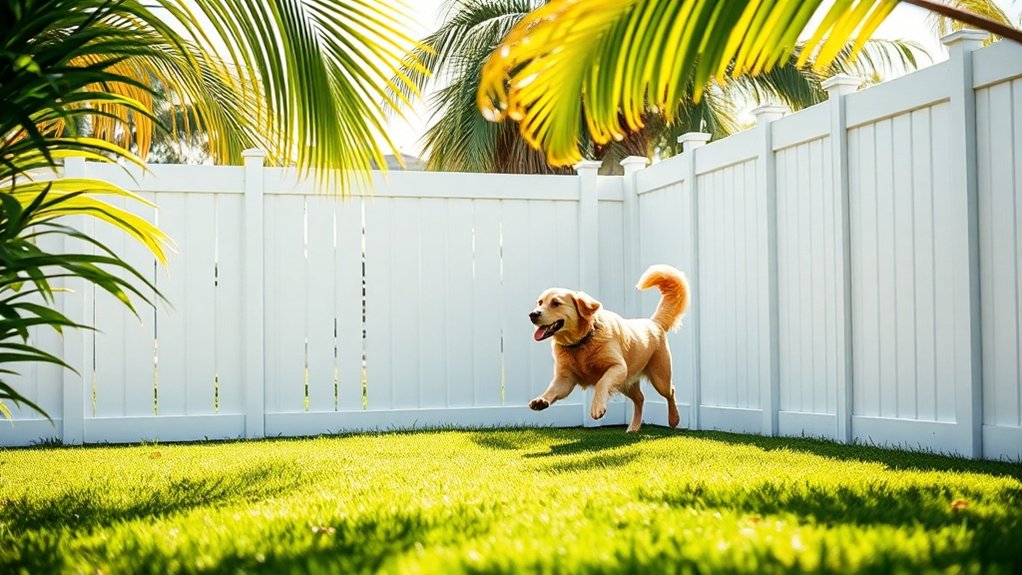
To keep your dog safe in your yard, use these simple behavior-proofing strategies:
- Remove temptations near fences, like food scraps or small animals, to reduce the urge to escape.
- Create a routine with regular walks and playtime to prevent boredom.
- Engage your dog with puzzles and scent games for mental stimulation.
These steps can help keep your dog happy and secure at home.
Balancing Aesthetics and Functionality in Fencing
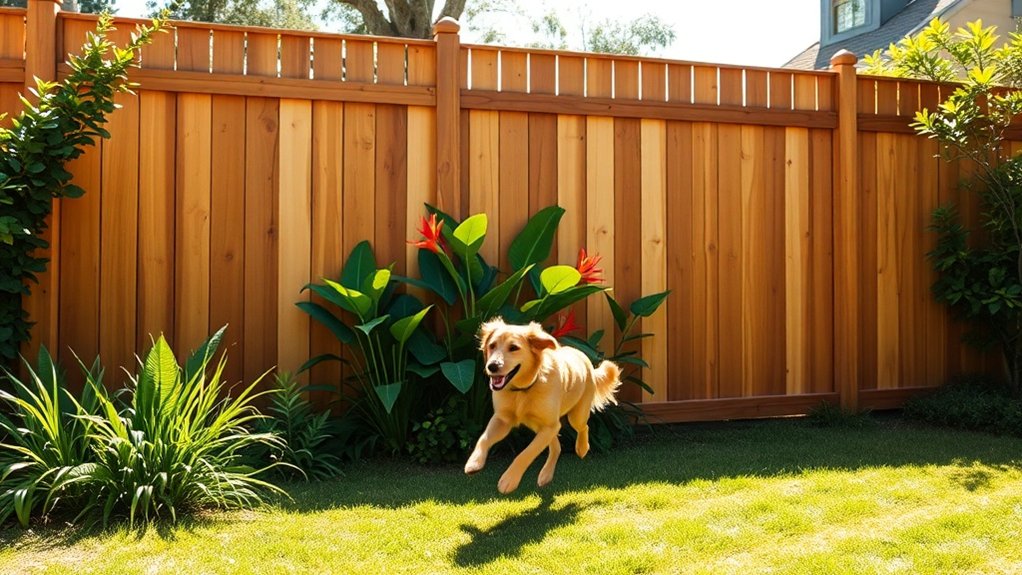
To keep your dog safe while enhancing your home’s appearance, it’s essential to choose the right fence. Here’s a quick look at popular materials:
| Material | Benefits |
|---|---|
| Aluminum | Durable, low maintenance, modern look |
| Vinyl (PVC) | Rot-resistant, easy privacy, UV protection |
| Wood | Warm and customizable, but needs upkeep |
Think about your dog’s habits and the climate in your area. For example, aluminum fits well with contemporary homes, while wood adds a cozy feel. Ensure your fence complies with local wind codes and has secure features like lockable gates. Choose materials that are safe for your pet to maintain both style and security in your yard.
Frequently Asked Questions
What Is the Average Lifespan of Different Fencing Materials?
Wood fences last about 7 to 30 years, depending on how well you maintain them. On the other hand, vinyl fences can last between 20 to 40 years with little upkeep, making them a durable choice for different weather conditions.
How Do I Choose the Right Fence Height for My Dog?
To select the right fence height for your dog, think about their breed and how well they can jump. For most dogs, especially agile breeds, a height of 5 to 6 feet is ideal. Use durable materials like vinyl or wood to ensure safety and security.
Can I Install a Fence Myself, or Should I Hire a Professional?
Installing a fence yourself can be rewarding, like creating your own backyard sanctuary. If you have the necessary skills and time, it’s a great DIY project. However, if you’re unsure or short on time, hiring a professional is a smart choice to avoid potential headaches and ensure a quality installation.
Are There Any Local Regulations Regarding Fence Installation in South Florida?
Yes, you need to check local zoning laws and get the necessary permits before installing a fence. Regulations can differ by area, so it’s best to consult your local authority to ensure your fence meets all requirements. For example, some neighborhoods may have height restrictions or specific materials allowed.
How Can I Enhance My Fence’s Aesthetic Appeal While Ensuring Functionality?
How can you improve your fence’s appearance while maintaining its function? Consider adding decorative features like arched tops or choosing bold colors. These changes can boost your home’s curb appeal and provide added security.
Conclusion
In South Florida, selecting the right fence for your dog is essential for their safety and your peace of mind. With nearly 1 in 3 lost pets never returning home, a sturdy fence can keep your dog secure and prevent them from wandering off. A well-designed fence not only looks good but also creates a safe space for your furry friend.
More guides from the yard
Need the materials for this job?
Chain link, vinyl, aluminum and gates, with contractor pricing for everyone and no minimum order.
Ask us about your project
Send the details and we’ll come back with a materials list and a price.