
How to Get HOA Fence Approval in South Florida: A Complete Guide
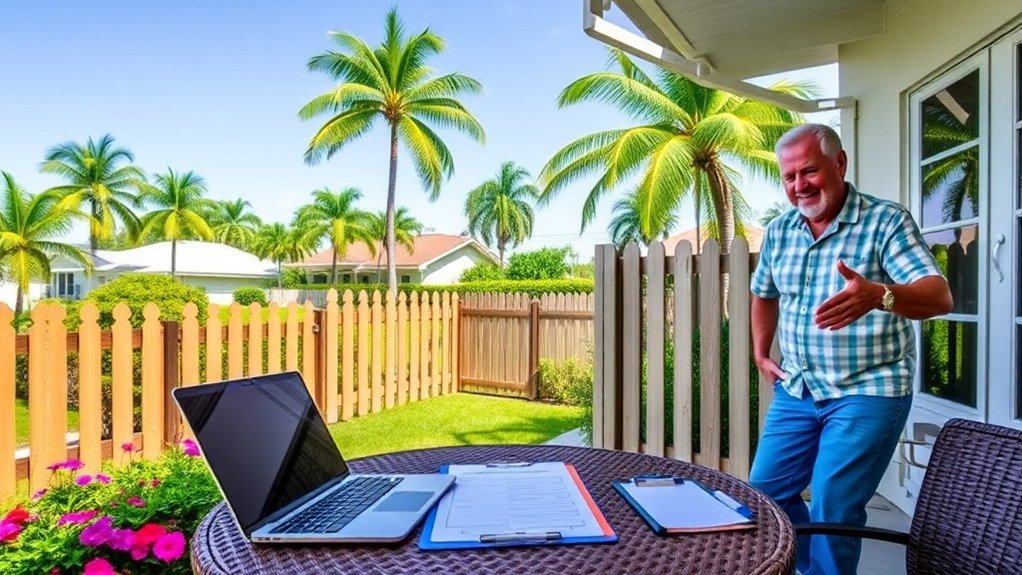
To obtain HOA fence approval in South Florida, follow these steps:
- Review Rules: Check your community’s specific fence regulations.
- Prepare Proposal: Create a proposal that includes design drawings, material samples, and contractor details.
- Submit Application: Turn in your proposal with an HOA application to the Architectural Review Committee.
- Check Permits: Ensure you comply with local permit requirements.
- Document Everything: Keep detailed records throughout the installation process.
By following these steps, you’ll make the approval process smoother and more efficient.
Understanding HOA Fence Rules and Regulations
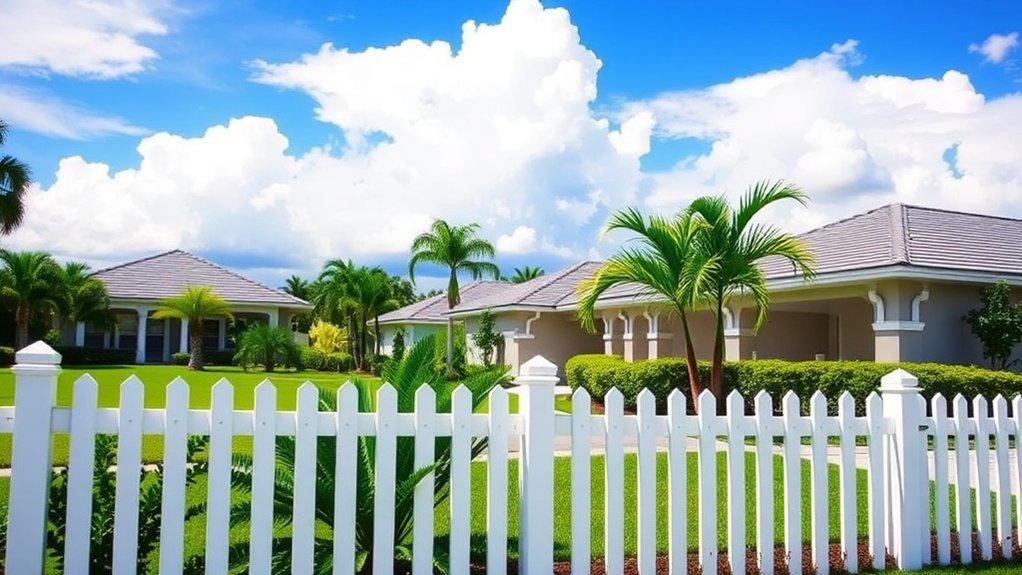
When navigating HOA fence approval, it’s crucial to know your community’s specific rules. Typically, backyard fences can be up to 6 feet tall, while front yard fences are limited to 3-4 feet. Acceptable materials include wood, vinyl, and ornamental iron, but chain-link and temporary fencing are usually not allowed. Understanding HOA purpose can ease the approval process, allowing for smoother communication and fewer misunderstandings. Additionally, it’s important to review local zoning laws, as they can influence height and material restrictions. Make sure to check setback requirements; your fence needs to be a few feet away from property lines and sidewalks, as well as HOA-maintained areas. Following these guidelines not only keeps you in compliance but also enhances the look of your fence, making sure it fits well with your neighborhood. Staying compliant helps you avoid fines and disputes.
Preparing Your Fence Proposal

When putting together your fence proposal, start by gathering essential documents: your fence application, design drawings, and property survey. Don’t forget to consider your neighbors’ opinions; their input can help the approval process go more smoothly. Lastly, make sure to follow design and material guidelines to ensure your proposal meets HOA standards and fits with the neighborhood look. Additionally, be aware that HOA rules can impose stricter limits than local regulations, which may affect your design choices. Understanding fence ownership is also vital, as it can influence your proposal’s acceptance and ensure compliance with neighborhood standards.
Required Documentation Checklist
To get HOA approval for your fence, you’ll need to gather a few important documents.
Here’s a simple checklist to help you stay organized:
- Project Description: Clearly describe the fence you want, including its type and purpose.
- Site Plan: Provide a map of your property that shows property lines, setbacks, and measurements.
- Contractor Info: Include details about your contractor, such as their credentials and proof of insurance.
- Elevation Drawings: Show the planned height of the fence and the materials you’ll use. Fences designed to withstand Florida’s weather are essential for durability.
- HOA Application Form: Fill out the necessary application form completely, ensuring all signatures and fields are included.
Neighbor Acknowledgment Process
After gathering your documentation, the next crucial step is getting neighbor consent, which is often required in South Florida.
Create simple acknowledgment forms that outline your fence project, including a sketch and design details. Include photos or brochures for clarity and ask neighbors to sign to confirm they’ve no objections.
This proactive approach helps avoid future disputes and increases your chances of getting approval from the Architectural Review Committee (ARC). Additionally, a well-constructed fence provides enhanced security for your property, making it more appealing to neighbors and the community.
Be sure to submit these acknowledgments along with your HOA proposal to speed up the review process and keep your project on track.
Design and Material Guidelines
Before you submit your fence proposal, it’s important to know your HOA’s design and material guidelines. Here are the key points to keep in mind:
- Materials: Stick to vinyl, aluminum, composite, or pressure-treated wood.
- Styles to Avoid: Don’t use chain-link or corrugated metal for any fence that faces the street.
- Height Limits: Backyard fences can be up to 6 feet tall, while front-yard fences should be between 3 and 4 feet.
- Neighborhood Fit: Make sure your fence matches the look of your neighborhood and follows any color guidelines.
- Sturdiness: Follow the required post sizes and anchoring methods to ensure your fence is durable.
Keeping these guidelines in mind will help you create a proposal that meets HOA standards.
Submission Process for Fence Approval

To start the fence approval process, gather the necessary application documents that comply with your HOA’s rules.
Be aware of the review and approval timeline, as it can impact when your project begins.
Following these steps will help make your application smoother and increase your chances of getting approved quickly.
Application Requirements Overview
To get your fence approved by the HOA, follow these straightforward steps:
- Check HOA Rules: Start by reading the HOA’s CC&Rs to understand the specific guidelines for fences.
- Prepare Your Proposal: Create a document that includes a description of your project, a site plan, and samples of the materials you plan to use.
- Hire Professionals: If necessary, bring in licensed contractors to ensure everything meets the Florida Building Code.
- Submit Your Request: Send your proposal and required documents to the HOA board or Architectural Review Committee for review.
- Know the Local Regulations: Be aware that you might need additional city permits or have to follow special location rules.
Review and Approval Timeline
When submitting your fence approval request, keep in mind that the timeline is crucial for your project. The speed of the review depends on how complete your submission is and when the HOA meets each month. Delays can occur if forms are incomplete or during busy times like hurricane season.
Here’s a quick breakdown of the timeline:
| Step | Timeframe | Key Factors |
|---|---|---|
| Initial Submission | Varies (see docs) | Completeness of forms |
| ARC Review | 2 weeks (if complete) | Adherence to rules |
| HOA Meeting | Monthly | Agenda and scheduling |
| Post-HOA Approval | 2-6 weeks | Local permitting needs |
| Resubmission | Varies | Fixing previous issues |
Understanding these steps will help keep your project on track.
Review and Decision-Making by the DRC
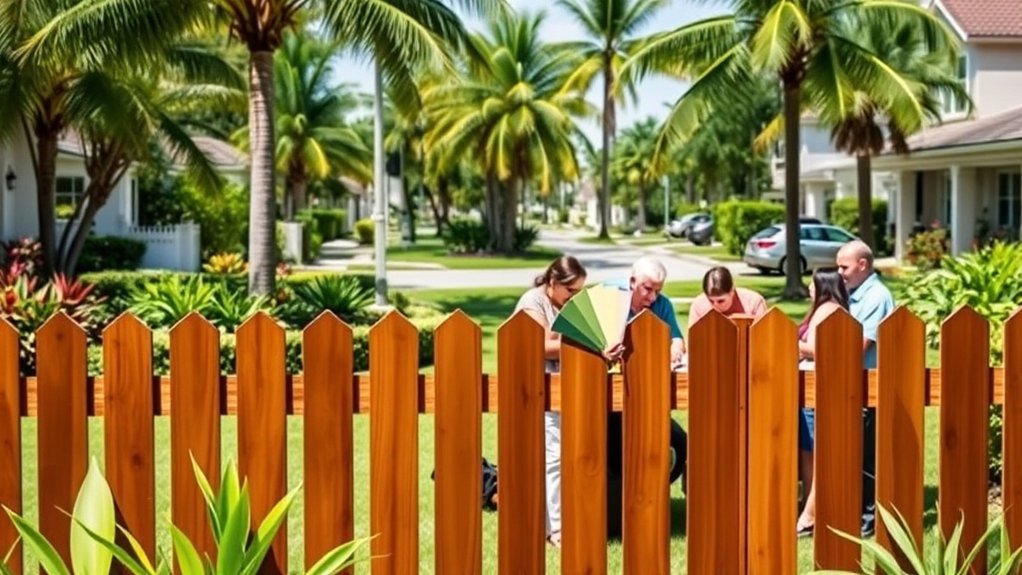
When you submit your fence application to the Design Review Committee (DRC), it undergoes a structured evaluation based on specific criteria from the community’s governing documents.
The DRC’s decisions are guided by:
- Compliance with deed restrictions and design guidelines
- Setback requirements and property line considerations
- Aesthetic compatibility with nearby properties
- Safety regulations and codes
- Complete documentation, including surveys and necessary approvals
The DRC, typically made up of 3–5 members, will review your application and decide to approve or deny it based on these factors.
Familiarizing yourself with these criteria can significantly improve your chances of getting the green light for your project.
Navigating Separate Permitting Steps

Before installing your fence, it’s important to manage the permitting steps. Start by getting approval from your HOA, as this is necessary for your building permit application.
Prepare a clear proposal for the Architectural Review Committee that includes project details, property sketches, and material specifications.
Once you have HOA approval, gather the required documents for the municipal permit, like a notarized building permit application, detailed fence plans, and a current property survey.
Check the municipal requirements, which can differ by city, especially in Broward and Palm Beach counties.
Don’t forget to consider utility easements and any inspections needed to ensure compliance with local codes.
This organized approach will make your fence installation process smoother.
Timelines for Approval and Potential Denials
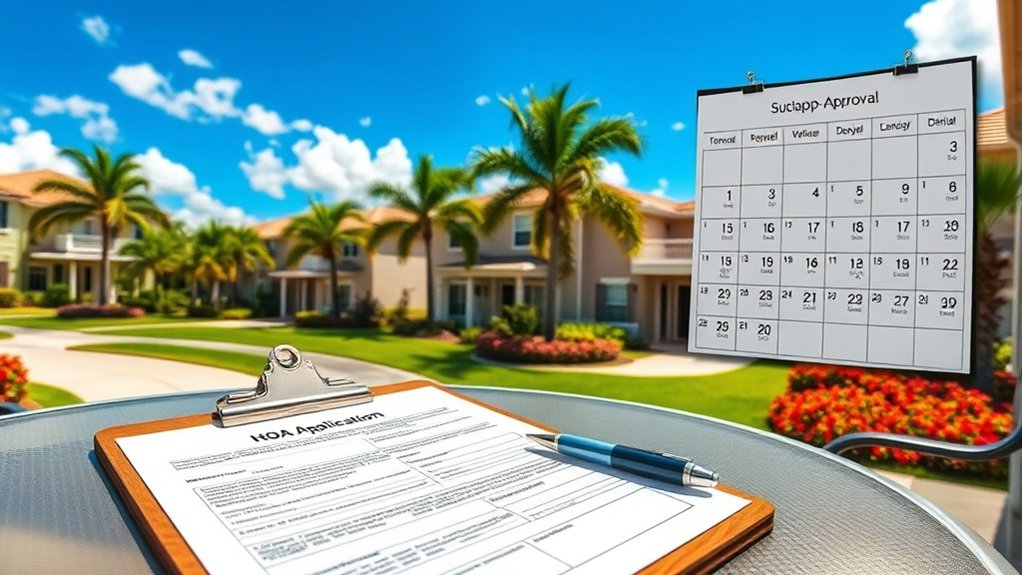
Understanding the timelines for HOA fence approval is crucial, as delays can impact your project significantly. Generally, the review process takes 30 to 60 days, but various factors can extend this timeframe.
Here are some key points to consider:
- Monthly HOA meetings can delay your review by several weeks.
- Emergency requests may speed up approvals, but standard requests follow regular timelines.
- Incomplete applications can reset the review clock.
- Neighbor acknowledgments could take days to weeks.
- Municipal permits can run concurrently but may add extra weeks.
Being aware of these factors will help you navigate the approval process more smoothly.
Maintaining Compliance During Construction
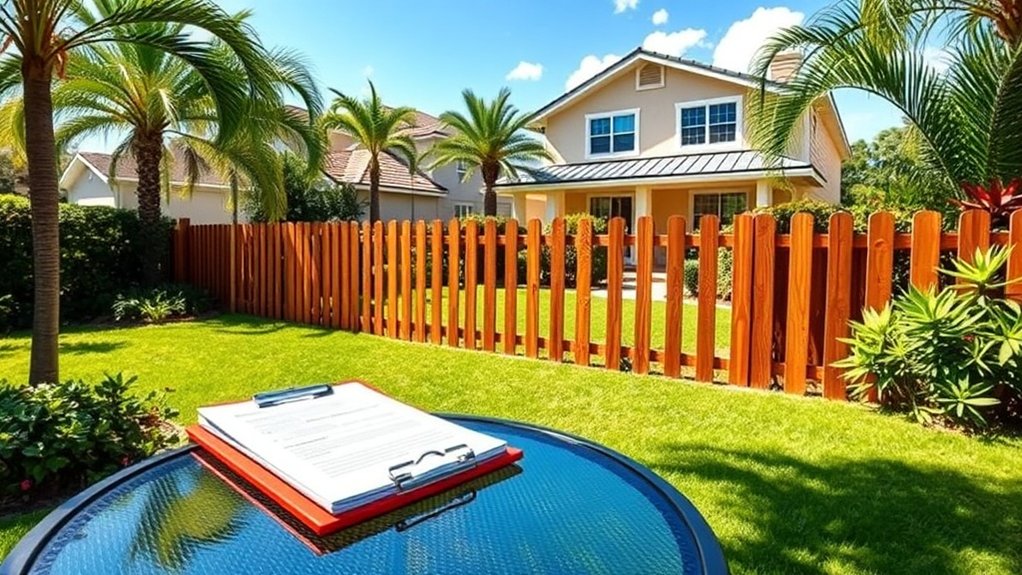
To stay compliant during construction, follow your HOA-approved plans closely.
Use erosion control methods like silt fencing to prevent runoff.
Set up clear barriers around your work area to protect pedestrian paths and HOA landscaping.
Ensure soil grades are stable and backfill any disturbed areas quickly to comply with drainage rules.
Keep your HOA approval and permits accessible for inspections.
Work with your contractor to make sure everything matches the approved dimensions, materials, and placement to avoid any violations or extra work.
Frequently Asked Questions
What Types of Fences Are Completely Prohibited by the HOA?
HOAs strictly prohibit chain-link, barbed wire, and electric fences. Solid privacy fences are also banned in waterfront and golf course areas to maintain aesthetic standards. These rules ensure that fences meet material and height regulations within the community.
How Can I Appeal a Denied Fence Proposal?
To appeal a denied fence proposal, check your HOA’s governing documents for the appeal process. Gather evidence that shows your proposal meets the guidelines, like photos or plans. Then, request a hearing to discuss your case with the board. Keep it clear and focused on how your fence fits within the community standards.
Are There Specific Styles Preferred by the DRC for Fence Aesthetics?
Yes, the DRC prefers fence styles that follow aesthetic guidelines. Recommended materials include wood, vinyl, and ornamental iron. Fences should match the neighborhood’s look and complement nearby buildings for a cohesive appearance.
Can I Install a Fence Without Neighbor Approval?
Yes, you can build a fence without your neighbor’s approval if your HOA doesn’t require it. Just make sure to check your property lines and follow local codes to avoid any disputes. For example, if your fence accidentally encroaches on your neighbor’s land, it could lead to conflict. So, confirming boundaries is key!
What Happens if I Build a Fence Without Prior HOA Approval?
Building a fence without HOA approval can lead to serious consequences. You might face fines, be required to remove the fence, and even incur legal fees. For example, if your fence doesn’t meet community guidelines, the HOA could demand its removal, costing you time and money. To avoid these issues, always check and follow your HOA’s fence regulations.
Conclusion
In summary, getting HOA fence approval in South Florida doesn’t have to be daunting. With careful preparation and by following the guidelines, you can streamline the process. Instead of worrying about delays, focus on creating a clear proposal to speed up approval. By following the steps in this guide, you can improve your property’s look and build a good relationship with your HOA, making the construction process smoother.
More guides from the yard


Need the materials for this job?
Chain link, vinyl, aluminum and gates, with contractor pricing for everyone and no minimum order.
Ask us about your project
Send the details and we’ll come back with a materials list and a price.