
Complete Guide to Fence Permits in Broward County: Every City’s Requirements

In Broward County, each city has its own fence permit requirements. Generally, you’ll need a notarized application, a property survey, and proof of ownership. Height limits, materials, and design rules vary by zoning laws, and some cities require electronic submissions. It’s crucial to follow these regulations to avoid costly fines. Check your city’s specific requirements to ensure a smooth project.
Overview of Fence Permit Requirements in Broward County
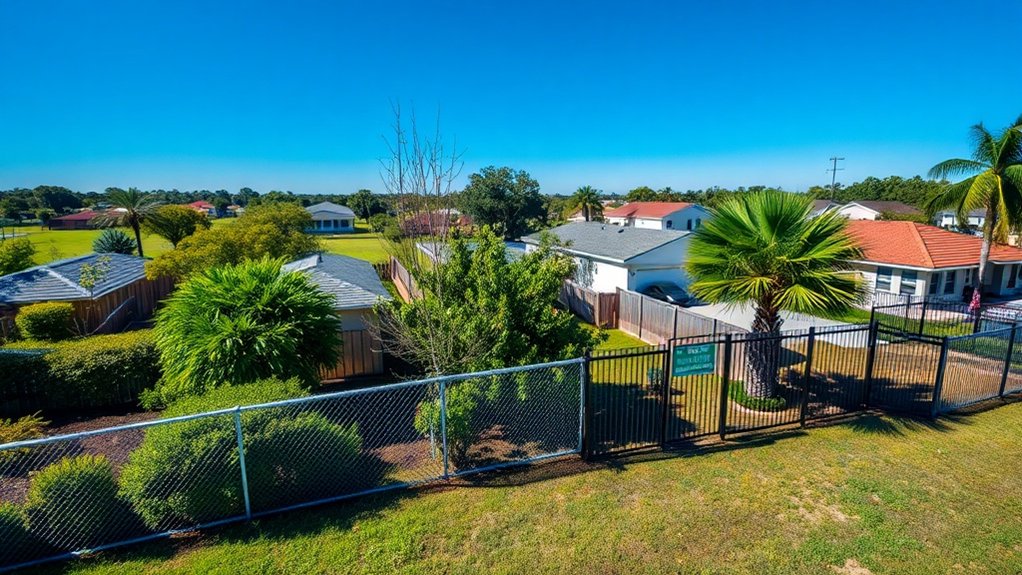
If you’re planning to install or replace a fence in Broward County, you’ll usually need a permit. This ensures your project meets local zoning laws and safety standards.
Permits are required for new fences and replacements that change height, materials, or design. If your fence is near drainage easements or waterways, be aware that additional permits may be needed. Additionally, it’s crucial to consider HOA approval as some communities may have specific requirements that could affect your project.
Skipping this step can lead to fines, delays, or even having to take down the fence. Remember to check height limits and material requirements according to Florida Building Codes to keep your project on track.
Typical Documentation Needed for Fence Permits

To apply for a fence permit in Broward County, you need a few key documents: the notarized permit application, a detailed property survey, and any required HOA approvals. These documents help ensure your project meets local regulations and speeds up the review process. Additionally, it’s crucial that all fences adhere to specific wind load calculations to withstand the hurricane conditions typical of the area.
Permit Application Requirements
To obtain a fence permit in Broward County, gather the following essential documents:
- Broward County Uniform Building Permit Application – This is necessary for almost all fence projects.
- Owner-Builder Affidavit – Required if you’re the property owner doing the work. Contractors will need to show proof of worker’s compensation.
- Proof of Ownership – Provide the property deed along with a government-issued photo ID.
- HOA Approval – If applicable, include any approval documentation from your homeowners association.
- Plans & Product Approvals – Submit two sets of plans detailing the fence layout, plus product approvals for any manufactured systems. Additionally, it’s important to research local permit application processes before submitting your documents to ensure compliance with all regulations. Understanding zoning laws is essential as they can dictate specific requirements for your fence.
Check for any permit exemptions that may apply to your situation before you start.
Survey and Plans
To secure a fence permit in Broward County, you need a thorough property survey and detailed plans.
Start with an updated survey that clearly marks property lines, dimensions, and setbacks, along with any existing structures and drainage features. This must be certified by a registered land surveyor.
Next, prepare two complete sets of plans, including a site plan that shows the proposed fence’s location and distance from property lines.
Be sure to label the types, styles, and heights of all fence segments and gates. Remember to comply with the Florida Building Code; this means including any necessary zoning approvals and structural drawings for non-standard fences.
HOA Approval Documentation
To get a fence permit in Broward County, you must secure HOA approval. This step ensures your project meets community standards.
Start by obtaining an HOA Approval Letter that lists your project address, compliance conditions, and signatures from authorized HOA representatives.
Next, prepare and submit an HOA Application Package, which should include an internal application form, a description of your fence project, and photographs of the proposed fence.
Be sure to reference the governing documents that specify the allowed heights and materials for fences in your community.
If you’re requesting any exceptions, include variance authorizations.
Lastly, make sure you have all supporting documents ready, such as payment proofs and management authorizations, to help streamline the approval process and minimize delays in your fence permit application.
Height, Material, and Design Limits for Fences
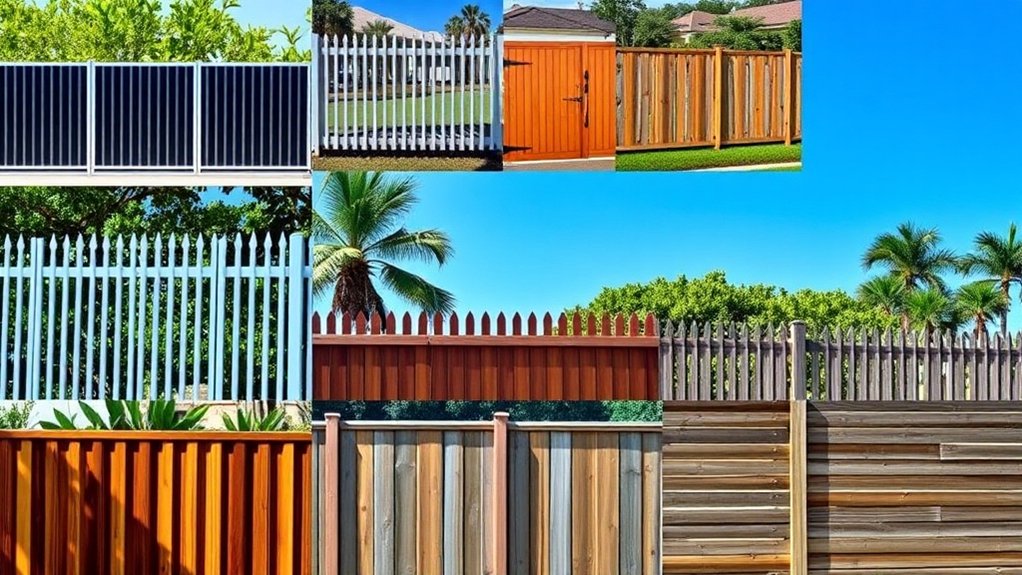
Understanding the height, material, and design limits for fences in Broward County is crucial for homeowners and builders. Be mindful of local zoning laws, as they dictate permissible fence dimensions and materials.
| Aspect | Residential Limits | Commercial Limits |
|---|---|---|
| Fence Height | 6 feet (backyard) | Up to 8 feet (with approval) |
| Materials | Wood, vinyl, decorative aluminum | Chain-link may be permitted |
| Design | 50% opacity in front yards | Full opacity in rear yards |
| Opacity | Limited visibility in front | No restrictions in back |
Fences must adhere to local zoning laws, including height and material limits. Be sure to consider design constraints, especially regarding visibility and neighborhood aesthetics. Always check with local regulations before proceeding with your fence project.
City-Level Variations in Fence Permit Processes

When navigating the fence permit process in Broward County, it’s crucial to be aware of the city-specific differences.
Each city has unique requirements that can affect your project, such as the need for notarization on applications—like in Oakland Park—or whether to submit documents electronically or in hard copy.
Some cities may also require extra zoning approvals, and fees can vary based on the construction value and any additional costs related to drainage.
Understanding these variations is key to ensuring a smooth permitting experience.
Considerations for Easements and Drainage Districts
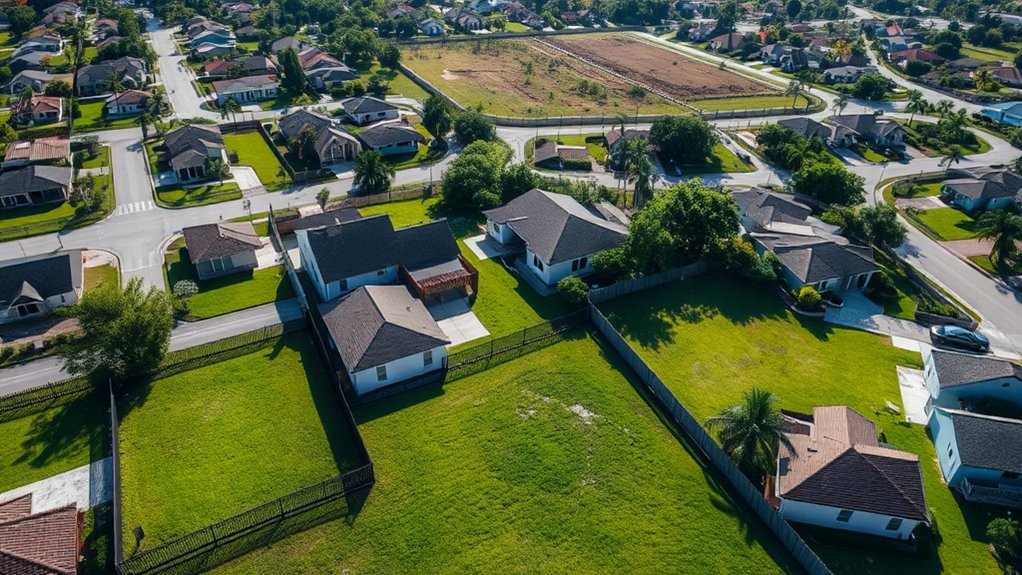
When planning to install a fence in Broward County, it’s essential to navigate easements and drainage districts effectively. Here are three key points to consider:
- Utility Easements: If your fence is near utility lines, you’ll need permission from the utility companies to avoid issues.
- Drainage Areas: Fences in drainage or lake maintenance easements may require special permits. Make sure to check what’s needed to stay compliant.
- Public Right-of-Way: Permanent fences are usually not allowed in these areas, so you’ll need city permits and possible engineering approvals.
Always verify local regulations to ensure your fence meets all requirements.
This careful planning can help you avoid costly setbacks and ensure a smooth installation.
Fees and Contractor Requirements for Fence Permits

Installing a fence in Broward County requires navigating various fees and contractor requirements that can affect your project budget and timeline. Here’s what you need to know:
| Fee Category | Description | Amount/Percentage |
|---|---|---|
| General Permit Fee | Base fee for permits | $125.00 |
| Municipal Fee (Pompano Beach) | Percentage of fence value | 2.75%, up to $250,000 |
| Average Fence Permit Cost | Typical permit cost | $200 – $400 |
| Coastal Property Premium | Extra fee for coastal properties | 10-20% of standard fees |
| Reinspection Fee | Cost for extra inspections | $100.00 |
Permits are required for new fence installations, usually taking 2-4 weeks to process. Make sure to comply with all regulations to avoid extra fees or penalties. Understanding local regulations is essential to ensure a smooth permitting process and avoid unexpected costs.
Compliance Enforcement and Penalties for Noncompliance
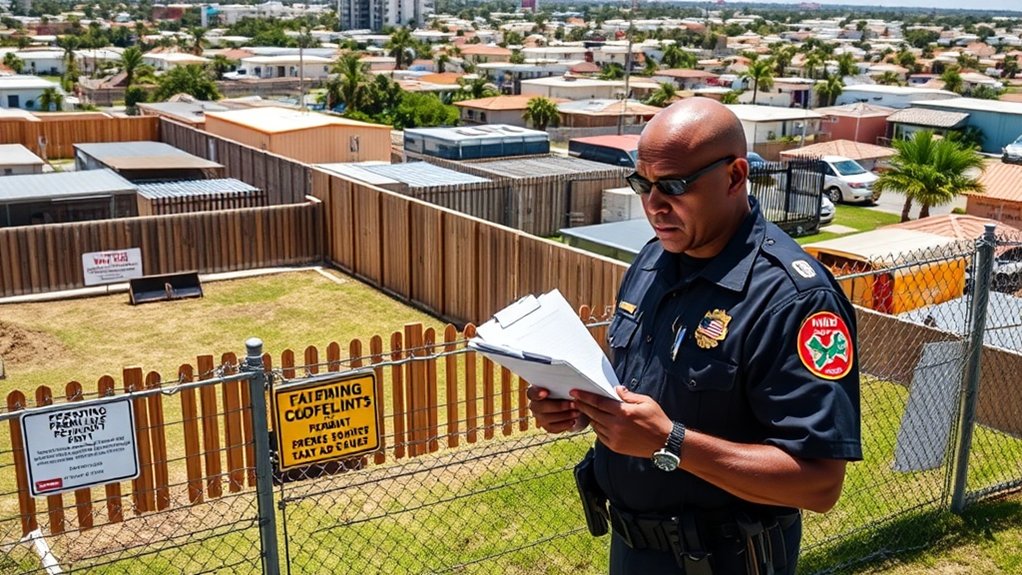
When planning your fence installation in Broward County, it’s crucial to understand compliance enforcement and penalties for noncompliance:
- Code Compliance Division: This division investigates violations and can issue fines from $50 to $250 for first offenses.
- Penalty Assessments: If you install a fence without a permit, you could face double fees and fines up to $500 per day, plus the risk of having your fence removed.
- Resolution Process: If you receive a citation, contact the relevant divisions immediately to resolve the issue. Delaying could lead to higher fines and legal trouble.
To avoid these penalties and ensure a smooth installation, prioritize compliance. Ignoring regulations can lead to hefty fines and complications when selling your property.
Recommended Steps for a Successful Permit Application

To secure a fence permit in Broward County, follow these key steps for success.
Start by preparing an updated property survey that clearly marks the fence’s location, setbacks, and dimensions.
Next, submit two sealed plans that detail the fence’s appearance and engineering specifications.
If you live in a community with a Homeowners Association (HOA), make sure to get their approval, as it’s often required.
Check that your fence complies with local zoning laws regarding type and height to avoid issues.
Include any necessary easement agreements and ensure that drainage requirements are met.
Lastly, confirm that your plans comply with Florida Building Code standards.
Frequently Asked Questions
Can I Install a Fence Without a Permit in Broward County?
No, you can’t install a fence without a permit in Broward County. You need to follow local regulations, which include respecting property lines. Skipping the permit could lead to fines or having to remove the fence later.
What Happens if I Build a Fence Without a Permit?
Building a fence without a permit can lead to serious consequences. You might face fines, forced removal of the fence, and ongoing penalties if you don’t comply. This can also affect your property value and future plans. For instance, if a neighbor reports your fence, local authorities may issue a stop work order, putting your project on hold. It’s best to check the regulations before you start building to avoid these issues.
Are There Restrictions on Fence Colors or Styles?
Yes, there are strict rules regarding fence colors and styles. Your fence should match your home’s trim and fit in with your neighborhood’s look. Make sure to follow HOA guidelines to avoid fines or having to remove your fence. For example, if your house is painted light blue, a matching white or gray fence might be ideal.
How Long Is a Fence Permit Valid Once Issued?
A fence permit is valid for 180 days after it’s issued. If you don’t begin work within that time, you’ll need to renew your permit. To avoid any issues, make sure to schedule your fence inspections promptly, or you might face extra fees and complications with reapplying.
Can I Appeal a Denied Fence Permit Application?
Yes, you can appeal a denied fence permit application. To do this, submit the necessary documents and fees, ensure you meet the permit requirements, and be ready for potential delays in the appeal process. For example, if your fence design didn’t meet local height restrictions, clarify how your new design complies.
Conclusion
Navigating fence permits in Broward County doesn’t have to be complicated. To make the process easier, familiarize yourself with the necessary documents, height and material restrictions, and any city-specific rules. For instance, some cities may have stricter guidelines on fence height than others. Don’t forget to consider easements and drainage issues, as well as any associated fees. Following these steps will help you avoid penalties and ensure your fence enhances your property’s value and curb appeal.
More guides from the yard


Need the materials for this job?
Chain link, vinyl, aluminum and gates, with contractor pricing for everyone and no minimum order.
Ask us about your project
Send the details and we’ll come back with a materials list and a price.