

When setting up electric fencing, it’s crucial to know the main components: energizers, posts, insulators, wires, and grounding systems. For reliability, choose mains-powered energizers; if you need portability, consider battery or solar options. Select insulators that effectively prevent shorts, and opt for strong wire types like steel or high-tensile for larger areas. Don’t overlook the grounding system—it’s essential for safety. Each accessory is vital for your fence’s performance, so stay tuned for more tips!
Key Takeaways
- Choose an electric fence energizer that matches your fence length and the animals you want to contain. For example, larger areas or more aggressive animals may require a more powerful energizer.
- Pick electric fence posts that are durable and easy to install. For instance, if you’re working with rough terrain, consider using sturdy steel posts.
- Use quality electric fence insulators to avoid shorts. This ensures the electric current flows properly, keeping your fence effective.
- Select electric fence wires or tapes that are durable and visible. For instance, if you have livestock, a thicker wire may be better for durability.
- Set up a reliable grounding system with well-installed ground rods and check them regularly. This is crucial for safety and the overall performance of your electric fence.
Electric Fence Energizers

Electric fence energizers are essential for a secure fencing system. When choosing an energizer, consider factors like the length of your fence, the type of animals you’re containing, and any nearby vegetation. Mains-powered energizers are reliable, while battery and solar options offer portability. Dual power systems provide flexibility but can be more complicated.
Regular maintenance is key. Inspect your energizer often to ensure it’s performing well, and check batteries frequently if you’re using a battery-operated system. Also, keep an eye on your grounding system and manage vegetation to prevent energy leaks. By understanding these elements, you can select the right energizer and maintain an efficient fencing system. Additionally, the energizer controls the pulse on the electric fence, making it crucial for effective operation.
Electric Fence Posts
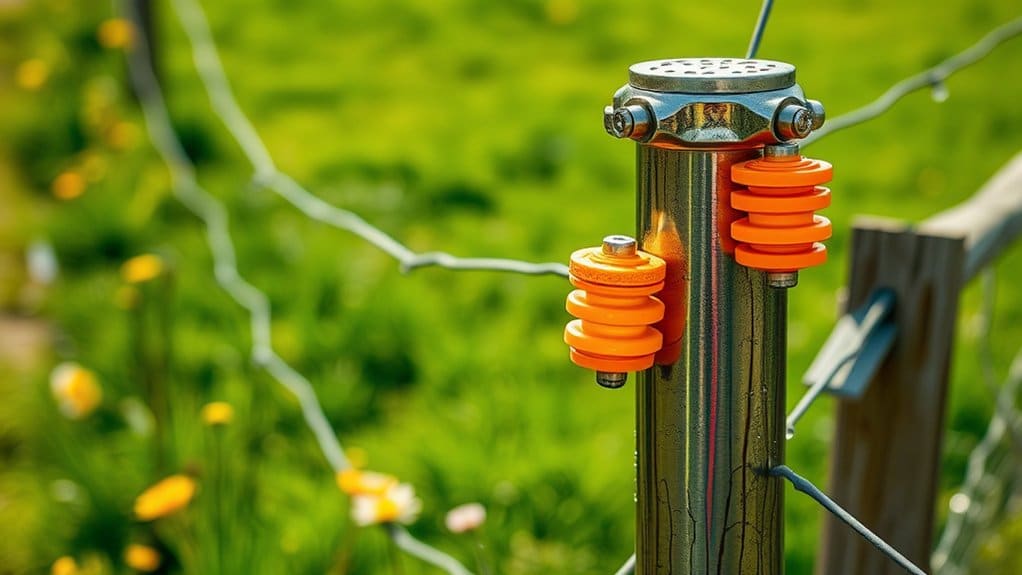
When selecting electric fence posts, consider the available types: plastic, metal, and fiberglass. Each type has its advantages. Mobile and permanent options are available, allowing you to choose based on your specific fencing needs.
Proper installation is crucial; follow guidelines for spacing and corner post placement to ensure stability. Understanding the durability of each material will help you choose the right posts for your fencing needs.
For instance, plastic posts are lightweight and easy to install, while metal posts offer strength for tougher environments.
Types of Electric Posts
When choosing electric fence posts, it’s important to know your options.
Plastic posts are lightweight and great for temporary setups.
Fiberglass posts are flexible and durable, suitable for both temporary and permanent use.
Wooden posts offer a classic look but need regular upkeep.
Metal posts are strong and stable, ideal for corners and long-lasting installations.
Eco posts, made from recycled materials, are a good choice for the environmentally conscious.
Think about your installation and maintenance needs as each type serves different purposes, ensuring effective fencing with minimal effort. Additionally, consider how the type of electric fence you choose might impact the overall effectiveness of your fencing system.
Installation Guidelines
Before installing electric fence posts, it’s crucial to prepare properly for a successful setup. Start by checking for underground utilities to ensure safety.
When placing posts, make sure they’re perpendicular to slopes and adjust for any terrain changes. Clear an 18-inch strip of vegetation to keep voltage consistent, and maintain a distance of 4-5 feet from structures to prevent interference.
For spacing, place posts 12-20 feet apart, or 10-12 feet apart for poly-tape. Corner posts should lean back at a 5-degree angle and be braced for support.
Always check that posts are level and plumb to ensure stability. Lastly, use a voltmeter to regularly monitor voltage for effective fence operation.
Durability and Material Choices
Choosing materials for electric fence posts is crucial for ensuring they last. Focus on options that resist corrosion, especially in tough weather.
For instance, fiberglass reinforced plastic (FRP) is strong and insulates well. Wood looks nice but needs protection from the elements. Metal is strong but requires insulation to avoid electrical issues.
If you need a temporary fix, lightweight plastic is budget-friendly. Composite materials combine the best features of different materials for better performance.
Make sure your posts can handle tension, impacts, and environmental factors to stay stable over time. By weighing these choices, you can find a cost-effective solution that reduces maintenance and extends the life of your fence.
Electric Fence Insulators
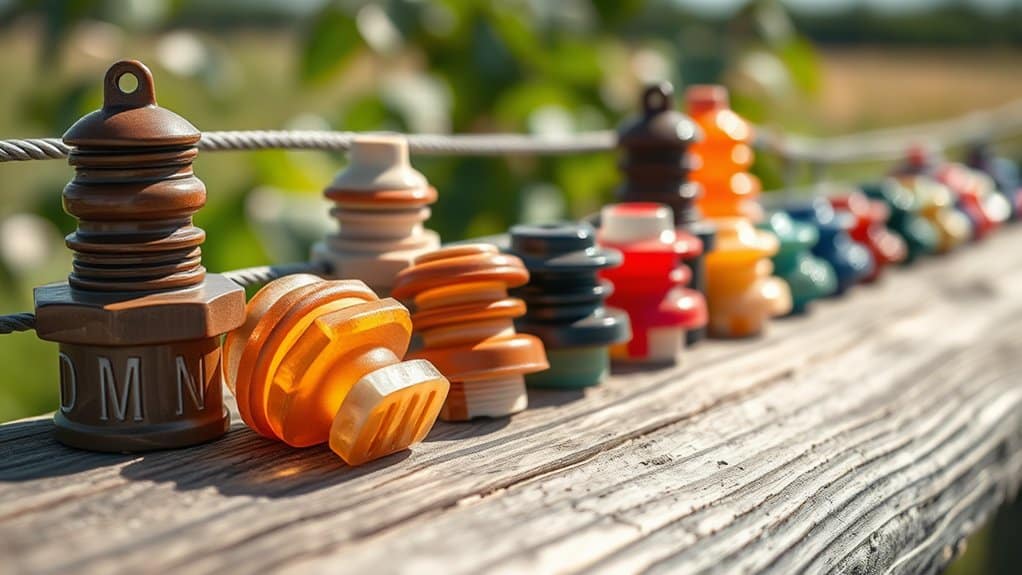
Electric fence insulators are crucial for preventing electrical shorts between the fence and conductive posts, ensuring the system works effectively.
There are several types, such as plastic, porcelain, and specialized options like pin-lock and tube insulators, each designed for different post materials. Choosing the right insulator is key to maintaining a strong electric current, which deters livestock from breaching the barrier.
Regular maintenance is also vital—check for damage, ensure proper installation, and replace any worn or broken insulators. By paying attention to these details, you can improve your electric fence’s performance and reliability.
Electric Fence Wires and Tapes
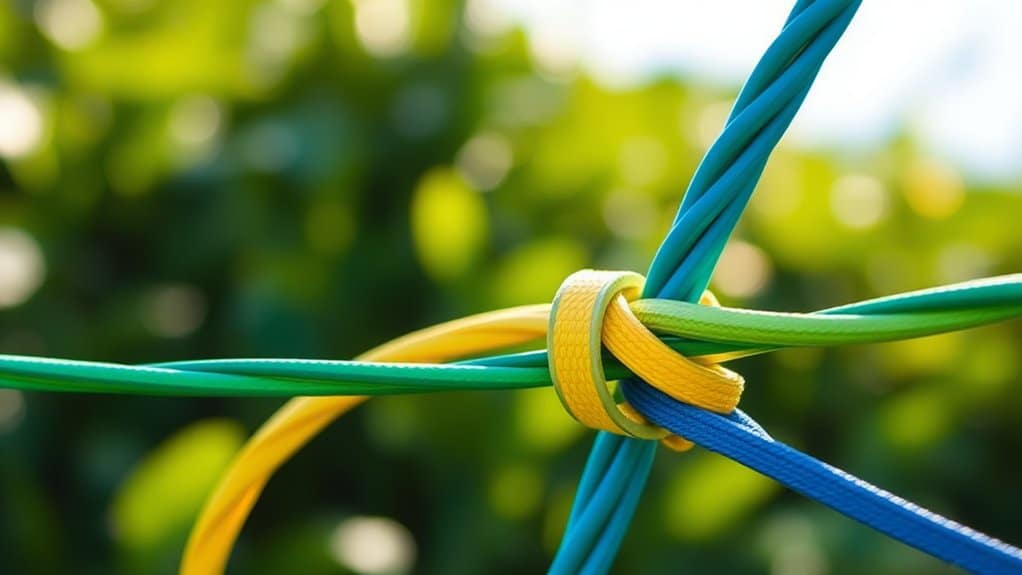
Choosing the right wire or tape for your electric fence is crucial for effectively containing livestock. Here are some options to consider:
- Steel Wire: Sturdy and cost-effective for permanent installations.
- Aluminum Wire: Provides excellent conductivity, suitable for performance-focused setups.
- High-Tensile Wire: Low-maintenance with a lifespan of over 40 years, ideal for larger properties.
- Poly Tape: Highly visible, making it perfect for temporary fencing and smaller animals.
Poly materials enhance visibility and withstand various weather conditions.
Selecting the right option can significantly impact the efficiency and safety of your electric fencing system.
Grounding System

A well-designed grounding system is essential for your electric fence’s safety and effectiveness.
Use earth electrodes made from galvanized steel or copper to connect the energizer to the ground. Install ground rods that are 6 to 8 feet long and bury them at least 6 feet deep in moist soil, spacing them 6 to 10 feet apart.
Connect the rods to the energizer with #6 bare copper grounding wires. If you encounter dry or rocky soil, you may need extra rods or different methods.
Regularly test your system with a voltage meter to ensure it provides a steady shock to deter animals or intruders while completing the electrical circuit.
Safety Considerations
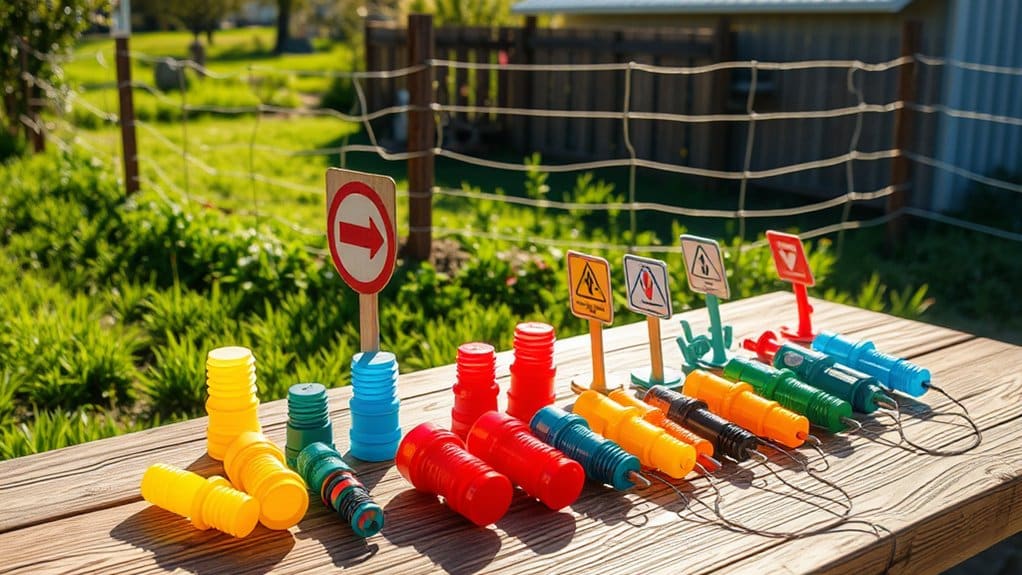
Safety around electric fencing is crucial for both people and animals. Here are key points to remember:
- Location Matters: Place electric fences away from busy areas to avoid accidental contact.
- Warning Signs: Put up clear warning signs at intervals to inform people nearby.
- Regular Checks: Inspect the fence regularly for any animal entanglements to ensure their safety.
- Proper Setup: Follow installation standards, using one energizer per fence and checking for correct polarity.
Essential Accessories for Electric Fencing

When setting up an electric fence, choosing the right accessories is crucial for performance and safety. Essential components include:
| Accessory Type | Purpose |
|---|---|
| Energizers | Provide the electric pulse |
| Electric Fence Posts | Support the structure of the fence |
| Insulators | Prevent electricity from escaping |
| Earthing Spikes | Complete the electrical circuit |
To install your fence, you’ll also need tools like wire joiners, end strainers, lead-out cables, and post drivers. Selecting the right accessories and tools ensures your electric fence works effectively and lasts longer.
Frequently Asked Questions
How Do I Choose the Right Energizer for My Property Size?
To select the right energizer for your property, focus on the type and power output. Measure your fence length and consider the amount of vegetation and the animals you’re containing. For example, a small farm with minimal plants may need a lower power model, while a larger area with dense vegetation might require a stronger energizer to ensure effective voltage. Keep it simple and match the energizer to your specific needs for optimal performance.
Can Electric Fences Be Used for Livestock and Garden Protection?
Yes, electric fences are great for keeping livestock secure and protecting gardens. They keep animals in and pests out, making them a practical and affordable option for safeguarding both your animals and crops.
How Often Should I Test My Electric Fence for Effectiveness?
Test your electric fence monthly to ensure it’s working properly. For better predator control, daily checks are best. Use a voltmeter for precise readings and inspect the fence after bad weather to keep it in top shape.
What Maintenance Is Required for Electric Fencing Systems?
Maintaining your electric fence is essential for optimal performance. Regularly inspect the wires for corrosion and make repairs quickly. Ensure the grounding is effective and keep vegetation trimmed back to avoid interference. Think of it like checking your car’s oil; a little upkeep goes a long way in preventing bigger issues down the road.
Are There Any Animals That Are Resistant to Electric Fences?
Yes, some animals, like feral hogs and bears, can withstand electric fences. Their intelligence and strong food motivation often lead them to ignore the shock, especially if they are familiar with the fence.
Conclusion
To ensure your electric fence works effectively and safely, it’s crucial to have the right accessories. Key components like energizers and grounding systems are vital for creating a strong barrier. Don’t underestimate the importance of quality insulators and wires—they keep your system running smoothly. By investing in these essentials, you can protect your property and feel confident that you’re ready for any challenges ahead.