

To successfully install a fence, you’ll need some essential tools. A post hole digger or engine-powered auger will help you dig the right holes. A measuring tape and leveling tool ensure accuracy in placement. Don’t forget a circular saw for cutting, and safety glasses for eye protection. Fencing pliers are crucial for tightening the fence. If you’re working with vinyl, a notching tool is a must. Lastly, an electric fence tester will confirm everything is functioning properly. These tools will make your fencing project easier and more efficient!
Key Takeaways
- A post hole digger is key for digging deep holes for fence posts in any type of soil.
- An engine-powered auger makes digging faster, especially in tough ground.
- A measuring tape is vital for precise post spacing to avoid costly mistakes.
- A leveling tool helps ensure your fence is straight, improving its look and stability.
- Essential tools like wire stretchers and multi-purpose pliers make installing and maintaining your fence easier.
Post Hole Digger
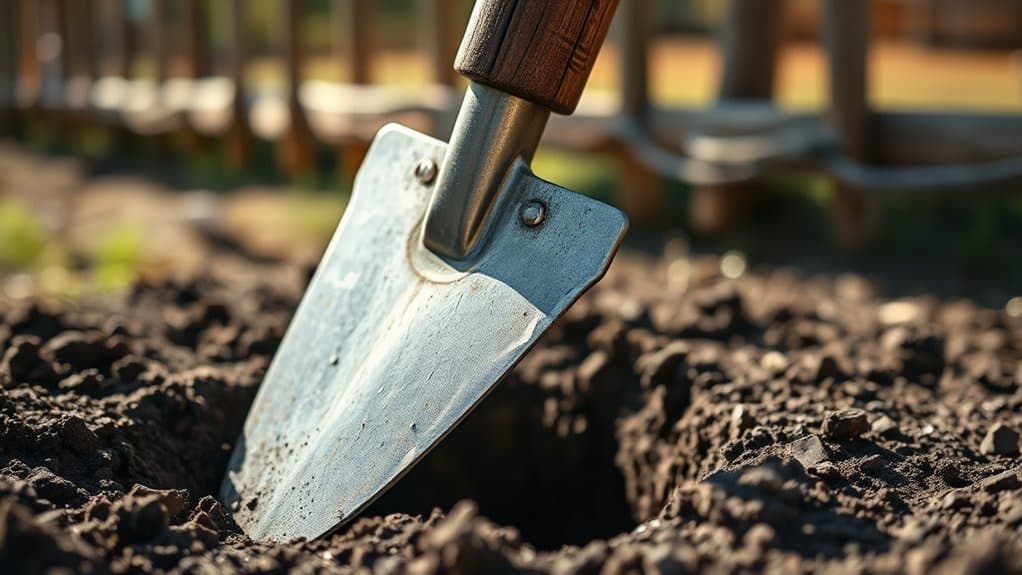
When installing a fence, having the right tools is crucial, and a post hole digger is essential. You can choose between manual and powered options, depending on your needs. Manual clamshell diggers work well for soft soil, while Boston diggers are better for deeper, narrower holes. It’s important to master your digging technique; aim for a depth of 3 to 4 feet for stability. Always wear protective gear and evaluate the soil type before digging. Post hole diggers are more efficient than shovels, saving you time and effort. Additionally, consider the soil type when determining the depth to ensure proper post stability. Investing in quality tools ensures durability and contributes to the success of your fencing project. A well-prepared property assessment can also help identify potential challenges before you start digging.
Auger With Engine
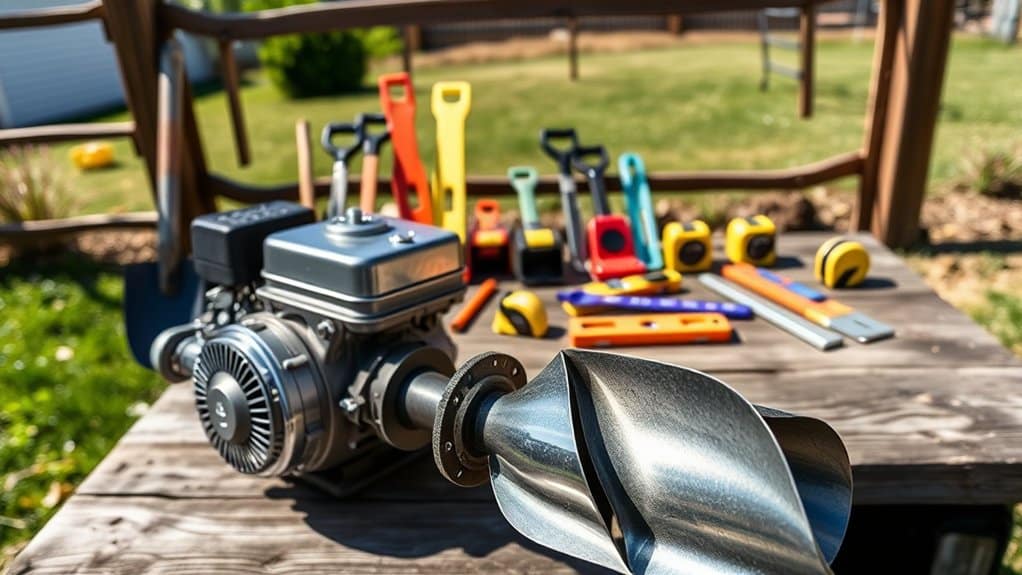
When it’s time to dig holes for your fence posts, an engine-powered auger simplifies the task. It efficiently tackles different soil types, speeding up your work. Plus, the built-in safety features ensure you can operate it without worry. Additionally, this machine comes with three auger sizes to accommodate various hole requirements.
Quick Hole Digging
Using an auger with an engine is a game changer for digging post holes for your fence, whether you’re a DIYer or a pro.
These tools can dig holes in under 90 seconds, making them quick and efficient. They handle tough soil and rocky terrain with ease, saving you both time and energy. Many augers come with different bits for various hole sizes, adding to their versatility. Plus, they’re portable, so you can take them anywhere. Investing in an auger not only speeds up your project but also reduces physical strain—definitely a smart choice for any fencing job. With options like gas-powered augers, you can achieve impressive torque and fast drilling speeds, enhancing your digging experience even further.
Versatile Soil Compatibility
Engine-powered augers are ideal for various soil types, making them essential for fencing projects. Their impressive torque allows them to handle tough conditions with ease.
Specific designs, like continuous flight and bucket augers, minimize soil disturbance for clear holes. This adaptability lets you switch tasks effortlessly.
For example, the Earthquake E43 offers reliable engine power and fuel efficiency, so you can work without frequent refueling. Variable speeds give you better control, and compatible bits across sizes mean you can tackle multiple projects with one tool.
Safety Features Included
Before starting your fencing project, it’s crucial to prioritize safety when using an engine-powered auger. Here are essential safety features to remember:
- Wear Protective Gear: Use safety glasses, gloves, and steel-toed boots to protect against flying debris.
- Stay Aware of Hazards: Be alert for sudden stops caused by rocks or roots. Clear the area of loose materials before you start.
- Maintain Stability: Position yourself firmly to prevent kickback during operation.
- Turn Off the Engine: Always switch off the auger when moving from hole to hole to avoid accidents.
Staying safe ensures your project runs smoothly!
Measuring Tape
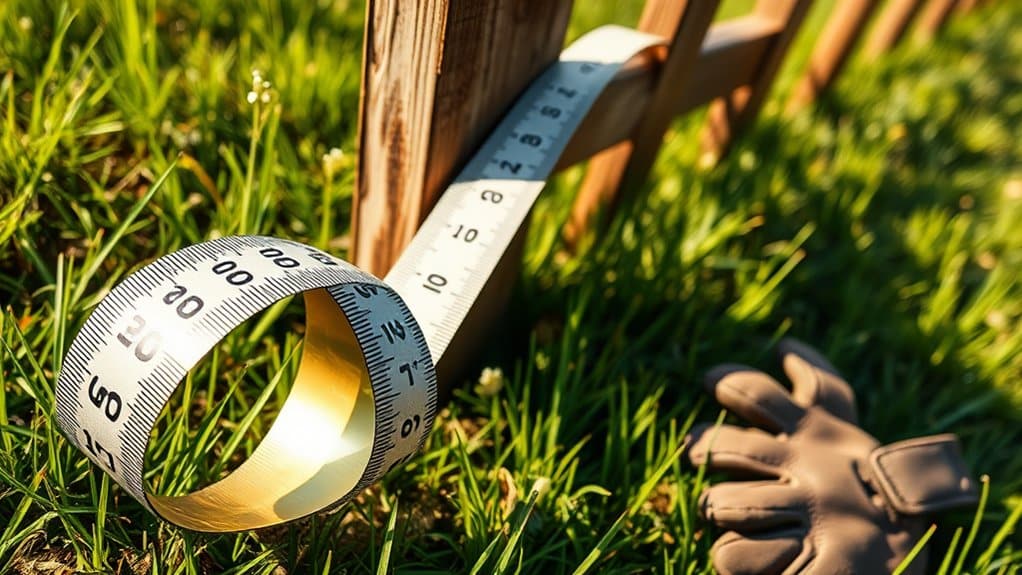
A reliable measuring tape is crucial for installing a fence. Accurate measurements help avoid costly errors. Ensure your measuring tape is calibrated for the best results. Here’s a quick look at different types of measuring tapes and their benefits:
| Type | Advantages | Best Use |
|---|---|---|
| Analog | Easy to read | Quick measurements |
| Laser | Highly precise | Long distances |
| Open-Reel | Durable and versatile | Tough environments |
Using a sturdy measuring tape is essential for measuring terrain and post spacing, ensuring your fence is installed correctly. Regular calibration keeps your measurements precise throughout the project.
Leveling Tool
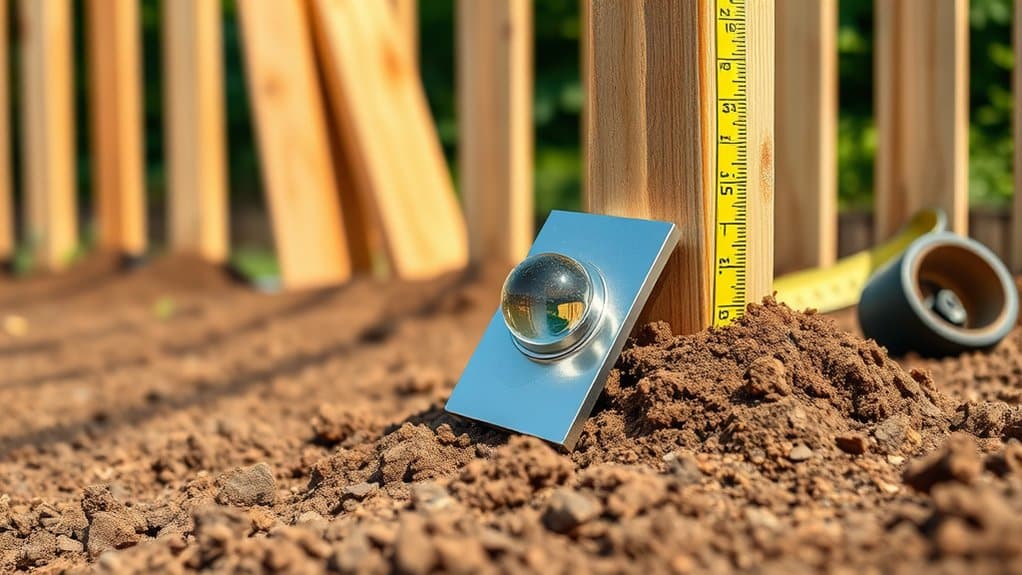
After measuring your fence line, the next step is to ensure everything is level. A leveling tool is crucial for a straight and professional-looking fence.
Here are some effective options:
- Bubble Level: Great for small projects.
- Laser Level: Best for larger areas, offering precise alignment.
- Digital Level: Provides electronic readings for enhanced accuracy.
- Torpedo Level: Useful for tight spaces or uneven surfaces.
To get the best results, check your level regularly during installation and maintain your tools. Regular inspections for structural issues are also essential to ensure your fence remains in good condition. Calibrate your digital level before use to avoid mistakes.
Circular Saw
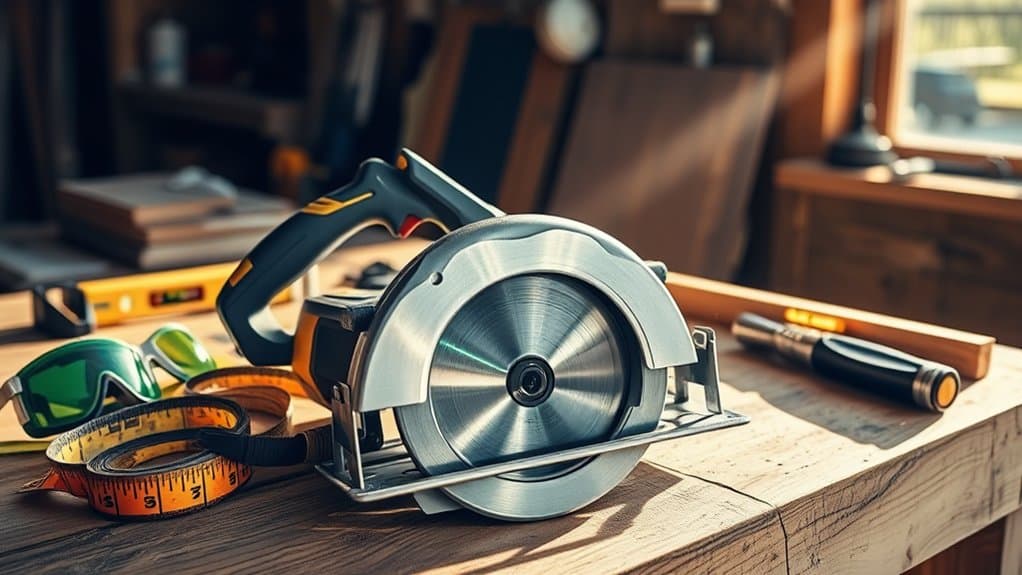
When installing a fence, having the right tools is crucial, and a circular saw is one of the most important. This tool lets you make precise cuts for your materials, whether you’re doing rip cuts or crosscuts.
Remember to prioritize safety: always wear gloves and safety glasses, and ensure the blade is properly aligned to prevent kickback.
Regular maintenance is key too—clean and inspect the blades often to keep your saw in great shape.
With proper care, your circular saw will be a dependable tool for your fencing project.
Cordless Drill
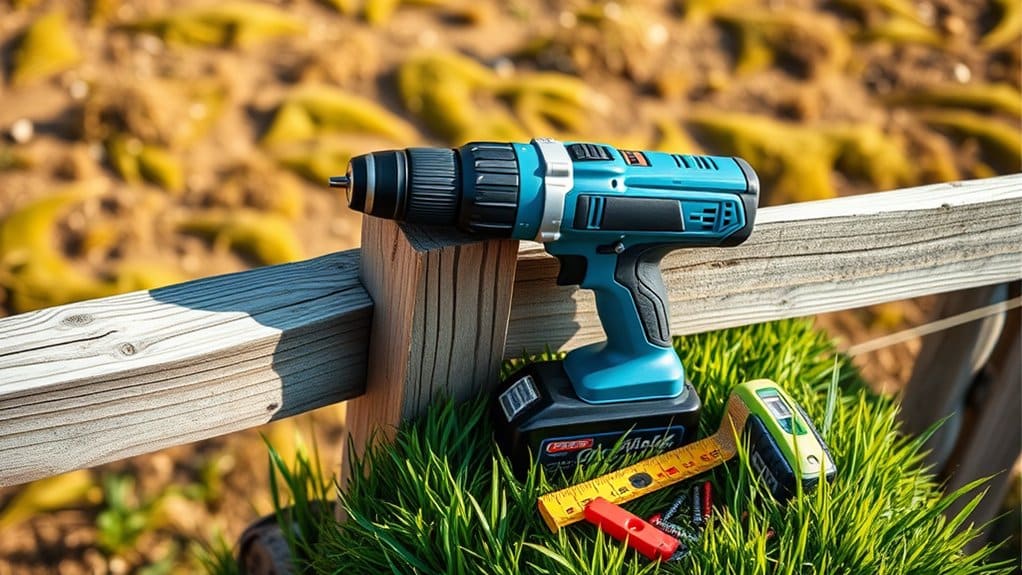
A cordless drill is a must-have for any fencing project, making installation faster and more efficient. Here are some key benefits:
- Efficiency: It speeds up the process of installing fence components.
- Versatility: Great for various tasks, like attaching pickets or screws.
- Portability: Its lightweight design allows for easy movement on-site.
- Power Settings: Multiple settings let you adjust for different materials.
Additionally, keeping essential accessories like drill bits and Phillips head bits handy will enhance your drilling efficiency.
To keep your cordless drill in top shape, charge the batteries properly, clean it regularly, and store it in a dry place.
Proper maintenance will help extend its lifespan and ensure your fencing project goes smoothly!
Safety Glasses
Wearing safety glasses during fence installation is crucial to protect your eyes from flying debris. They shield your vision, especially when using power tools.
Choose glasses with sturdy frames and impact-resistant lenses for optimal safety. Features like foam gaskets can improve comfort and provide additional protection.
Regularly check your glasses for damage and ensure they fit well to prevent slipping.
Fencing Pliers
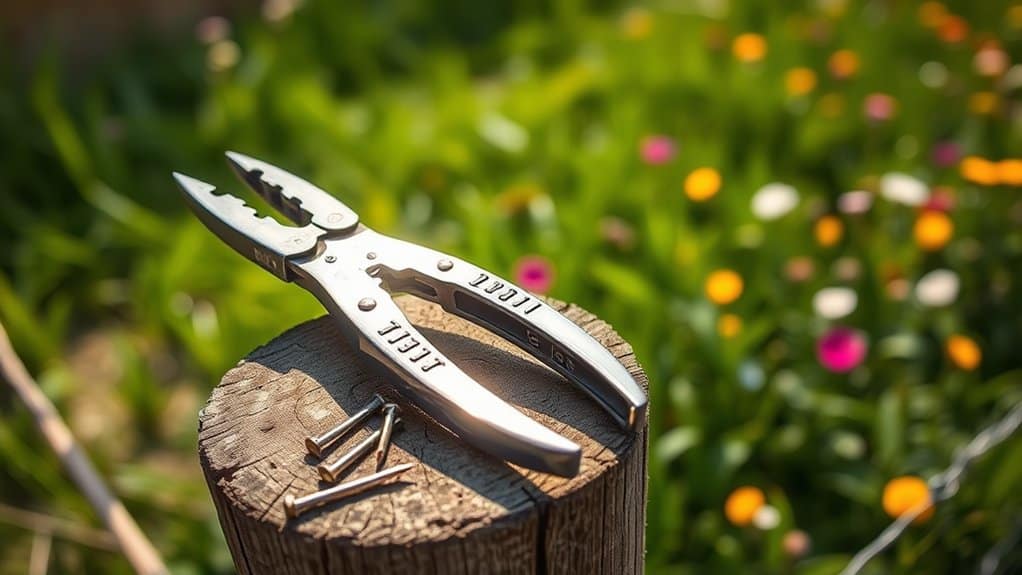
When installing a fence, having the right fencing pliers is crucial.
For example, use end nippers to cut wire and wire stretchers to tighten loose sections.
Knowing how to use these tools effectively will make your fencing project easier and more successful.
Types of Fencing Pliers
If you’re working with fences, knowing the types of fencing pliers can boost your efficiency. Here’s a quick overview:
- End Nippers: Great for making precise cuts on wire and hog rings.
- Wire Stretchers: Useful for tightening loose sections of fencing.
- Multi-Purpose Fencing Pliers: These can cut, splice, and insert staples, making them very versatile.
- Combination Fencing Pliers: They handle cutting, bending, and tensioning tasks all in one tool.
Look for features like V-slot jaws for better grip and hardened cutting edges for durability.
Understanding these tools helps you tackle fencing projects with ease and confidence.
Proper Usage Techniques
To get the most out of your fencing pliers, follow these simple tips.
First, check your pliers for any damage or loose parts before using them. Keeping your tools clean and lubricated will help them work better and last longer.
When cutting or twisting wire, apply even pressure to prevent mistakes. For removing staples, make sure to align the staple remover correctly for easier removal.
Always wear gloves and safety glasses for protection. Store your pliers in a dry area to avoid rust.
Vinyl Fence Notching Tool
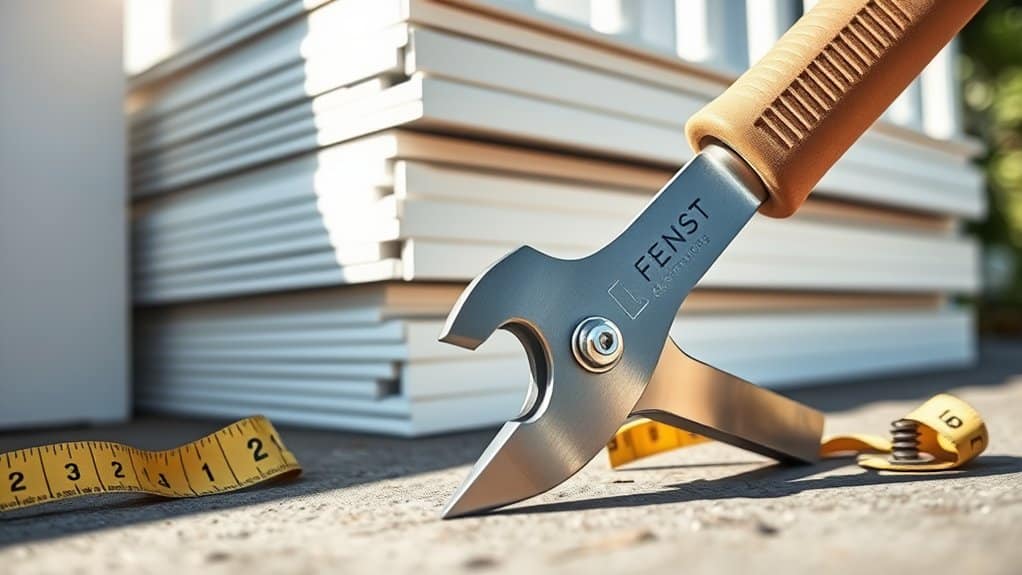
Installing a vinyl fence requires precision, and a vinyl fence notching tool is crucial for clean, secure joints. Here’s why it’s worth considering:
- Precision Notching: Make accurate notches for a polished look.
- Efficiency: Speed up your notching process, saving time and energy.
- Ergonomic Design: Comfortable grip minimizes strain during long use.
- Durability: Ensure your notches hold up against the elements for easier maintenance.
Whether installing or repairing, a notching tool can significantly improve the appearance and longevity of your fence.
Investing in a quality tool leads to professional results and a visually appealing finished product.
Electric Fence Tester
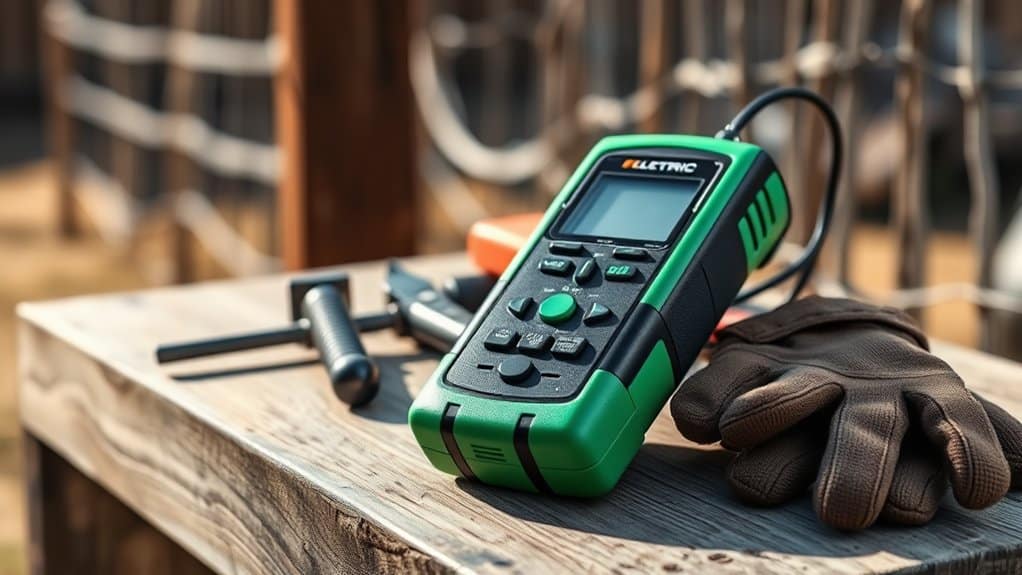
An electric fence tester is a must-have for anyone managing an electric fence. It helps ensure your fence is working effectively and safely. Regularly using a tester can pinpoint voltage problems and prevent weak spots.
You can choose between two types of testers:
| Type | Features |
|---|---|
| Digital Testers | Accurate voltage readings in kV |
| LED Neon Light Testers | Simple visual voltage indicators |
Using a tester is easy: just connect it to the fence wire and ground it. This quick check helps you troubleshoot issues, reducing downtime and keeping both animals and people safe. Investing in a tester can save you from expensive repairs later on!
Frequently Asked Questions
How Deep Should I Dig Post Holes for My Fence?
To find the right depth for your fence post holes, dig about one-third of the total post length. For instance, if your posts are 6 feet tall, aim for 2 feet deep. Adjust your digging based on soil type and frost lines to ensure your fence is stable. Also, check local building codes for any specific requirements.
What Type of Wood Is Best for Fence Posts?
When selecting wood for fence posts, cedar is a great choice due to its natural resistance to rot and attractive look. If you’re looking for a more affordable option, treated pine is a solid alternative that offers good durability without breaking the bank.
Can I Install a Fence Alone, or Do I Need Help?
You can install a fence by yourself, but be aware of challenges like lifting heavy panels and digging holes. To make it easier, consider using tools like a post hole digger or a fence leveling tool. Assess your own strength and skills before deciding to go solo. If you have a large area or complicated layout, getting a friend to help might make the job faster and easier.
How Do I Maintain My Fence Tools for Longevity?
Tools won’t clean themselves, so make it a habit to clean them regularly to prevent rust. Always store them in a dry place and avoid cramming them together. Simple maintenance can keep your tools in great shape and ready for use.
What Are the Local Regulations for Fence Height and Placement?
Check your local regulations for fence height and placement, and make sure to obtain any required permits. For example, some areas may allow fences up to 6 feet high in backyards but only 4 feet in front yards. Also, conduct a boundary survey to confirm your property lines. This helps avoid disputes with neighbors and ensures you comply with zoning laws.
Conclusion
Now that you have your top 10 essential tools for installing a fence, you’re set to begin your project. Having the right tools—like a post hole digger or a level—will make the process smoother and more efficient. Just as a carpenter needs their tools to build, you’ll need these to create a sturdy fence that lasts. Stay safe, and enjoy the accomplishment of your hard work!