

To figure out which boundary fence is yours in the US, start by checking your property deed and land survey—they’re your official guides. Look up local zoning laws and any HOA rules that may apply. Physical clues like the fence’s design, maintenance, and placement can also hint at ownership. Having a friendly chat with your neighbors can clear things up and prevent disputes. If things are still hazy, consider hiring a professional surveyor or legal expert for precision. Understanding these factors can help you navigate the complexities of property boundaries and guarantee smooth neighborly relations. Curious for more insights?
Key Takeaways
- Review Land Survey and Deed: Check your property deed and recent land survey for precise boundary lines and fence ownership details.
- Check Local Ordinances: Investigate local zoning laws and municipal codes that may specify fence ownership rules.
- Consult Historical Records: Look at historical property records and maps that might clarify original fence placement.
- Inspect Fence Maintenance: Observe who maintains the fence regularly; maintenance responsibility often indicates ownership.
- Talk to Your Neighbors: Communicate with neighbors to understand historical agreements or informal arrangements regarding fence ownership.
Introduction
Understanding which boundary fence is yours in the US is essential for maintaining good neighborly relations and avoiding disputes. You’ll need to take into account several key factors that determine fence ownership, which can vary from place to place.
Because fence laws can get complicated, having a clear approach is vital.
The importance of understanding fence ownership
Knowing which boundary fence is yours is essential for maintaining good neighborly relations and avoiding legal disputes. When you clearly understand fence ownership, you can prevent property disputes and promote smooth communication with your neighbors.
Nobody likes surprises when it comes to property lines, so knowing your responsibilities, like fence maintenance, helps keep everyone on the same page.
Title insurance can be a valuable tool, as it often covers issues related to property boundaries. However, it’s important to know which fence belongs to you so you can address any issues directly. The last thing you want is a misunderstanding that leads to frustration or, worse, a legal battle.
Good neighbor relations are built on clear communication and mutual respect. By knowing the boundaries, you can discuss and share fence maintenance tasks, making sure everything looks great and functions well.
Plus, understanding your property taxes can be simpler when you know exactly what land you’re responsible for.
Overview of key factors determining fence ownership
Several factors determine fence ownership, and understanding them can help you avoid potential disputes. Whether you’re a new homeowner or a seasoned property owner, knowing these key elements can save you from headaches down the road.
Here are three critical factors worth noting:
- Property taxes: Check your property tax records. Sometimes, they may include details about boundary lines and any existing fences.
- Zoning laws: Local zoning laws can dictate where you can place a fence and who’s responsible for its maintenance.
- Land surveys: A professional land survey can provide precise information about your property boundaries, helping you identify which fence belongs to you.
Building permits and utility easements also play significant roles. Building permits are often required before constructing a new fence, ensuring it complies with local regulations.
Utility easements, on the other hand, are areas that utility companies need access to, and having a fence in these spots could lead to complications.
Complexity of fence laws and need for a clear approach
Exploring the maze of fence laws can be essential, but a clear understanding is vital to avoid legal issues and neighborly disputes. You’ll find that these laws vary widely across different states and municipalities. What works in one place mightn’t apply in another, and that can lead to confusion.
First, consider fence aesthetics. It might seem like a minor detail, but the look of your fence can affect your relationship with neighbors and even property value. Some areas have specific guidelines on how a fence should look.
Next, think about wildlife barriers. If you live in a region with lots of wildlife, your fence needs to be sturdy enough to keep animals out. This can sometimes require special permits.
Speaking of permits, zoning permits are crucial. You can’t just put up any fence you like; you need to check local regulations and get the proper paperwork.
Privacy screens are another factor. If you’re installing a fence primarily for privacy, make sure it complies with local height and material restrictions.
Lastly, property disputes can arise if there’s any confusion over who owns the fence. Clear communication with your neighbors and a good understanding of local laws can prevent a lot of headaches.
Step 1: Examine Property Deed and Survey
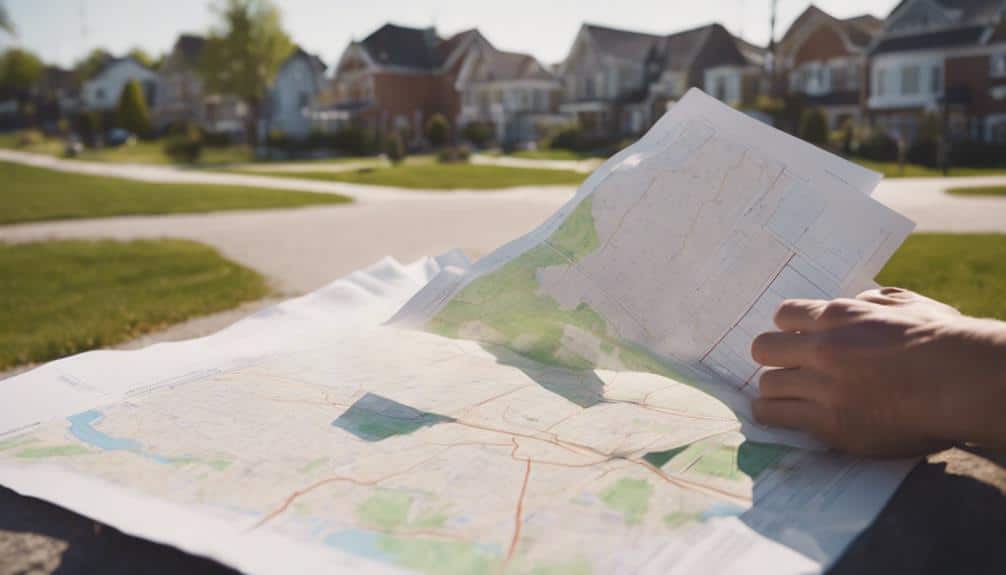
First, grab your property deed and survey—these documents are your best friends for figuring out boundary ownership. They show the exact lines, easements, and any other important markings that define your property.
If you’re unsure how to interpret them, don’t worry; you can get help from a professional surveyor or your local county office.
Role of deeds and surveys in establishing ownership
Reviewing your property deed and survey is crucial for determining which boundary fence is yours. These documents play a pivotal role in verifying ownership and resolving any potential disputes with neighbors.
By examining the deed, you can uncover historical records that detail the property’s boundaries. Surveys provide a visual representation of these boundaries, making it easier to understand where your property ends and your neighbor’s begins.
Here are three key reasons why you should consult your deed and survey:
- Ownership verification: Ensures you know the exact limits of your property, preventing misunderstandings.
- Property disputes: Helps resolve conflicts with neighbors by providing legal documentation of your property lines.
- Historical records and title searches: Offers a clear record of past ownership and any legal precedents impacting your property.
Understanding the role of deeds and surveys gives you a solid foundation for addressing any property disputes and protecting your rights. These documents aren’t just legal formalities; they’re tools to help you maintain a harmonious relationship with your neighbors and safeguard your investment.
How to obtain and interpret deeds and surveys
To determine your property’s boundaries, start by obtaining and closely examining your property deed and survey. These documents are your first steps in understanding where your property lines lie. Your property deed contains the legal description of your land, which precisely outlines its dimensions and boundaries. You’ll need to look at land records to get an official copy of your deed if you don’t have one already.
Next, look at the property plat, a map showing how your land is divided. This map is part of your survey and provides a visual layout of your property. Title insurance can also be helpful, as it guarantees that there are no issues with your property’s ownership history that could affect your boundaries.
Pay attention to any deed restrictions mentioned in your deed. These restrictions can dictate how you use your property and may impact where you can place fences or other structures. Understanding these limitations is important for compliance and harmony with neighbors.
Identifying boundary lines, easements, and other markings
Start by scrutinizing your property deed and survey to clearly identify your boundary lines, easements, and other critical markings. These documents are your best friends when it comes to figuring out where your property starts and ends. Your deed will often detail the exact measurements and directions of your property lines. The survey, on the other hand, provides a visual representation, showing you a map of your land’s layout.
To make things easier, focus on these key areas:
- Historical records: Check for any historical records that might show past changes to your property boundaries.
- Utility easements: Look for any utility easements, which are areas where utility companies have rights to access your property.
- Property markers: Identify physical property markers like stakes or pins that were placed during the original survey.
These elements help you understand not just where your property lies, but also any legal limitations you might face. For example, utility easements can affect where you can build a fence or plant trees. Understanding these details can help you avoid fencing disputes with neighbors and stay within zoning regulations.
Limitations of deeds and surveys
Although your property deed and survey provide important information, they mightn’t always capture the most current or accurate boundary details. Outdated maps can be a common issue, as changes in the landscape or new developments may not be reflected. Title discrepancies can also arise when there’s a difference between what your deed describes and what’s on record.
Survey errors are another potential problem. Even professional surveyors can make mistakes, and these errors might lead to misunderstandings about where your property ends and your neighbor’s begins. Deed ambiguities can further complicate matters, especially if the language in your deed is vague or open to interpretation.
Historical records can offer some clarity, but they also come with their own set of challenges. Records from decades ago mightn’t match modern-day measurements or current landmarks.
When trying to determine which boundary fence is yours, you might need to dig deeper than just your deed and survey. Consulting with a local surveyor or a title company can help clarify any uncertainties.
Step 2: Investigate Local Fence Laws

Next, you’ll need to review your local fence laws. State and local regulations can affect ownership, placement, and even the height and materials of your fence. You can find these rules in local ordinances and codes, which might be available online or at your city hall.
Don’t forget to ponder special rules from homeowners associations (HOAs) or historic districts, as they can have unique requirements.
Impact of state and local laws on ownership
State and local laws play a pivotal role in determining fence ownership and responsibilities. Knowing these rules helps you avoid misunderstandings and ensures you’re on the right side of legal requirements. State variations mean that what applies in one state might be completely different in another. Understanding how these differences can affect your situation is essential.
When it comes to property disputes, local laws and regulations often set the stage. Here are some key points to take into account:
- Legal precedents: Previous court rulings in your state can give you an idea of how similar cases have been handled.
- Zoning regulations: These rules can dictate where you can place a fence and what kind of fence is allowed.
- Court rulings: These decisions can provide clarity on who owns what part of the fence and who’s responsible for maintenance.
Common legal provisions on fence placement, height, materials
Many local laws set specific guidelines on where you can place a fence, how tall it can be, and what materials you can use. These rules often fall under zoning regulations, which are designed to maintain communities looking nice and functioning well.
Before you start building, you’ll probably need a fence permit. This guarantees your fence meets all the local requirements.
If you live in an area with historical fences, you might’ve to follow special rules to preserve the look and feel of the neighborhood. These can include restrictions on the height and materials of your fence.
Utility easements are another thing to watch out for. These are areas where utility companies have the right to access their equipment, and you can’t build your fence there.
Environmental considerations can also influence what you can do. For example, if you live near a wetland, there might be extra rules to protect local wildlife.
Each of these elements helps create a sense of community and ensures everyone’s property looks and functions well. So, taking the time to understand these common legal provisions can make your fence-building project smoother and more enjoyable.
Accessing and understanding local ordinances and codes
Before you start building your fence, make sure to check your city’s local ordinances and codes to understand the specific regulations you must follow. These rules guarantee that your fence is compliant with local laws, including zoning regulations and construction codes. Here are some steps to help you navigate this process:
- Visit your municipal archives: These archives are a treasure trove of information on local zoning regulations and construction codes. You’ll find the specifics on fence heights, materials, and placement.
- Check if you need a fence permit: Some cities require permits before you start construction. This step is essential to avoid fines or having to tear down your fence later.
- Review your title insurance documents: These documents often contain information about property boundaries and any easements that might affect where you can place your fence.
Special considerations like HOAs and historic districts
When you’re planning to build a fence, don’t overlook the special rules set by Homeowners Associations (HOAs) and historic districts. These organizations often have specific guidelines to maintain the community’s look and feel, so it’s important to follow their rules to belong and avoid penalties.
Your HOA may have architectural guidelines on the type of materials, height, and color you can use for your fence. They aim to create a cohesive neighborhood appearance, so make sure you check the HOA’s rules before starting your project. Ignoring these guidelines can lead to fines or even having to tear down your fence.
Historic preservation is another key factor if your property is in a historic district. These areas have district regulations to protect the historical character of buildings and landscapes. You might need to apply for special permits, and your fence design may need approval before you proceed.
This can be a bit more complex, but it’s worth it to maintain the charm and history of your area.
Step 3: Look for Physical Indicators
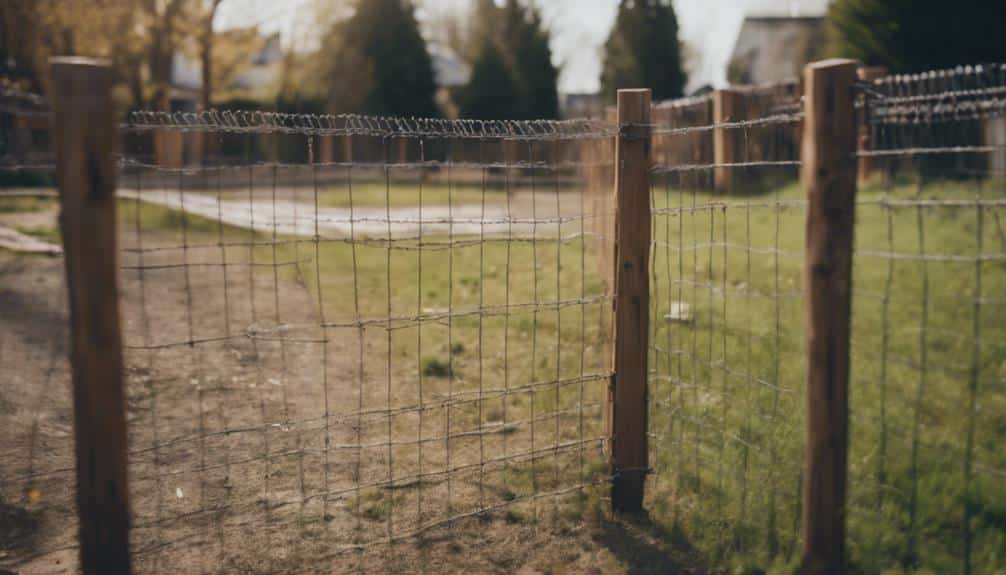
Now, let’s check out some physical indicators to figure out which fence is yours. Notice the fence’s location, style, and condition, as these can all give clues about ownership.
Also, look for any attachments, landscaping, or signs of the ‘Good neighbor‘ convention that might help you document your findings.
How fence location, style, condition indicate ownership
Examining the location, style, and condition of a fence can provide clear clues about its ownership. Start by looking at the fence materials. Different materials might suggest different owners. For example, if one side of the fence is wooden while the other is metal, it could indicate that each neighbor owns a different section.
To avoid ownership disputes, consider the following factors:
- Fence Location: A fence directly on the property line might be shared. If it’s clearly on one side, it likely belongs to that property owner.
- Style and Design: A fence matching the style of one property more than the other usually belongs to that property. Think about color, height, and design elements.
- Condition and Maintenance: If one side of the fence is well-maintained while the other is not, the well-kept side probably owns it. Regular property maintenance can be a good indicator of ownership.
Checking these elements can also foster better neighbor relations. If you’re still unsure, a professional land surveying can offer a definitive answer.
Paying attention to these details helps maintain harmony and clarity in property boundaries.
“Good neighbor” convention implications
Considering these factors, let’s explore how the ‘good neighbor‘ convention can provide additional physical indicators of fence ownership. This convention revolves around shared responsibility, where neighbors collaboratively maintain the fence standing on their property lines. It’s rooted in neighbor etiquette and mutual respect, fostering a sense of community and cooperation.
When examining a fence, look for signs that it’s been maintained equally on both sides. A ‘good neighbor’ fence often appears well-kept from either side, indicating joint effort. If you notice consistent repairs, painting, or treatments on both sides, it’s a good sign that both property owners see the fence as a shared responsibility.
Additionally, consider the style and design of the fence. A ‘good neighbor’ fence is typically designed to look the same on both sides, without a clear “front” or “back.” This design choice underscores the mutual respect between neighbors, aiming to avoid boundary disputes.
Lastly, if you’re uncertain, don’t hesitate to chat with your neighbor. Open communication can clarify agreements about the fence and make sure that both parties are on the same page regarding maintenance and ownership. This approach not only helps resolve any confusion but also strengthens neighborly bonds.
Other physical clues like attachments and landscaping
Spot attachments like hooks or planters, and observe landscaping details to determine fence ownership. These physical clues can tell you a lot about who maintains the fence. Look for items like hanging plants or bird feeders. If they’re on one side, that side’s owner likely maintains the fence.
Also, check the landscaping. Are there bushes or flowers planted close to it? That might indicate who takes care of it.
Here are some things to look for:
- Fence direction: Which way do the fence posts face? The ‘pretty’ side usually faces away from the owner.
- Fence materials: Different materials might be used on each side, revealing maintenance responsibility.
- Attachment points: Look for hooks, planters, or other attachments. These often belong to the person who installed them.
Documenting physical indicators
Identifying physical indicators will help you determine which boundary fence is yours. Start by checking for color coding on the fences. Sometimes, property owners use paint or markers to indicate boundaries. If you see specific colors or patterns, they might be telling you something important about property lines.
Next, look around for natural landmarks like trees, rocks, or streams. These can act as informal property markers, often mentioned in old property deeds or local lore. If a fence runs parallel to a line of trees, that might be a clue.
Pay attention to fence maintenance. Often, the owner of the fence takes better care of it. If one side of the fence is well-maintained while the other is falling apart, chances are the nicer side belongs to your neighbor.
Consider the fence designs. Different designs can signal different owners. For example, if one side of the property has a wooden picket fence and the other has a chain-link fence, the design might indicate ownership.
Lastly, don’t forget to look for official property markers. Metal stakes or concrete markers can sometimes be found in the ground, showing the exact boundary lines. These are your best bet for accurate information.
Step 4: Communicate with Neighbors
Talking with your neighbors about the boundary fence can help prevent misunderstandings and foster a cooperative spirit. Start by sharing any documents you have, like property surveys, to clarify ownership and responsibilities.
Together, you can negotiate shared costs and upkeep, ensuring everyone is on the same page.
Benefits of proactive neighbor communication
Proactive communication with your neighbors can prevent misunderstandings and foster a cooperative relationship regarding boundary fences. When you take the first step to reach out, you’re not just solving immediate issues; you’re creating a foundation for shared maintenance, conflict prevention, and mutual benefits.
Effective communication builds trust and promotes harmonious living. When you and your neighbors are on the same page, it’s easier to manage and maintain shared fence lines. You’ll find that dealing with repairs, repainting, or even deciding on a new fence becomes a collaborative effort rather than a point of contention. This proactive approach can lead to:
- Shared maintenance: Splitting the costs and labor for upkeep, making it easier on everyone.
- Conflict prevention: Addressing potential issues early before they escalate into bigger problems.
- Mutual benefits: Enjoying a well-maintained, attractive boundary that adds value to both properties.
When you communicate openly and regularly, you’re not just neighbors; you’re partners in creating a pleasant and respectful environment. This sense of community and cooperation can transform your neighborhood into a place where everyone feels they belong.
Strategies for approaching ownership conversations
Start the conversation by expressing your interest in maintaining and clarifying the boundary fence to promote mutual understanding and cooperation. It’s important to approach your neighbors with a friendly and respectful attitude. Begin by acknowledging that you both share a common space and that having a clear understanding of the boundary can benefit everyone involved.
Effective communication strategies are key. Use “I” statements to express your feelings and avoid sounding accusatory. For example, say, “I noticed the fence looks a bit worn, and I’d like to discuss how we can manage it together.” This can help prevent misunderstandings and foster positive neighbor relations.
If disagreements arise, consider mediation techniques to keep the conversation productive. Suggest a neutral third party to help facilitate the discussion if necessary. Remember, the goal is conflict resolution, not winning an argument.
Dispute management can be challenging, but staying calm and respectful goes a long way. Listen to your neighbor’s concerns and try to find common ground. By approaching the conversation with a cooperative mindset, you’re more likely to reach a mutually satisfactory agreement and maintain a harmonious relationship.
Sharing documentation to establish understanding
Sharing documentation with your neighbors can help establish a clear understanding of the boundary fence. It’s essential to be open and transparent to avoid future issues. By sharing relevant documents, you’ll foster a sense of community and cooperation.
- Public records: Show your neighbors any public records you’ve obtained. These might include property surveys or deeds that clearly outline the boundaries. This can prevent misunderstandings and boundary disputes.
- Property taxes and ownership: Sharing documentation related to property taxes can also clarify ownership. Sometimes, tax maps provide additional details about property lines that are useful for everyone involved.
- Neighborhood traditions: In some areas, long-standing neighborhood traditions dictate how fences are maintained. Discussing these can help you and your neighbors align with local customs, ensuring everyone is on the same page.
Negotiating shared responsibilities and costs
Once you and your neighbors have a clear understanding of the boundary, it’s time to negotiate shared responsibilities and costs for maintaining the fence. This conversation is essential to guarantee everyone feels they belong and are treated fairly.
Start by discussing the need for shared maintenance. Explain that both of you’ll benefit from a well-kept fence and it’s only fair to split the cost.
When it comes to cost splitting, be open and transparent about the expenses involved. Discuss potential fence repairs and the financial responsibilities each of you’ll bear. If you approach this with a friendly attitude, it’ll help avoid neighbor disputes.
Perhaps suggest creating a simple plan that outlines who handles what tasks and when.
Sometimes, disagreements might arise, but remember, it’s important to listen and find common ground. Maybe one of you is better at fixing things, while the other can contribute more financially. Flexibility and understanding go a long way in these talks.
Documenting neighbor agreements
Often, it’s important to document any agreements made with your neighbors to prevent future misunderstandings. When you both agree on boundary fences, it’s vital to have everything in writing. This can help keep everyone on the same page and nip any potential conflicts in the bud.
Here are some ways to do it:
- Notarized agreements: Getting your agreement notarized adds a layer of legal validity, making it harder for disputes to arise later on.
- Witness statements: Having a third party witness your agreement can offer additional protection if disagreements come up.
- Digital records: Save emails or text messages related to your agreement. They’re easy to access and provide a clear history.
Using these methods, you can ensure that all parties understand their responsibilities and rights. Setting clear property markers can also help in visualizing the boundary and maintaining harmony.
In case of future disputes, these records serve as invaluable tools for conflict resolution. By documenting your agreement, you’re not just protecting your property; you’re fostering a sense of community and trust with your neighbors.
Step 5: Seek Professional Assistance
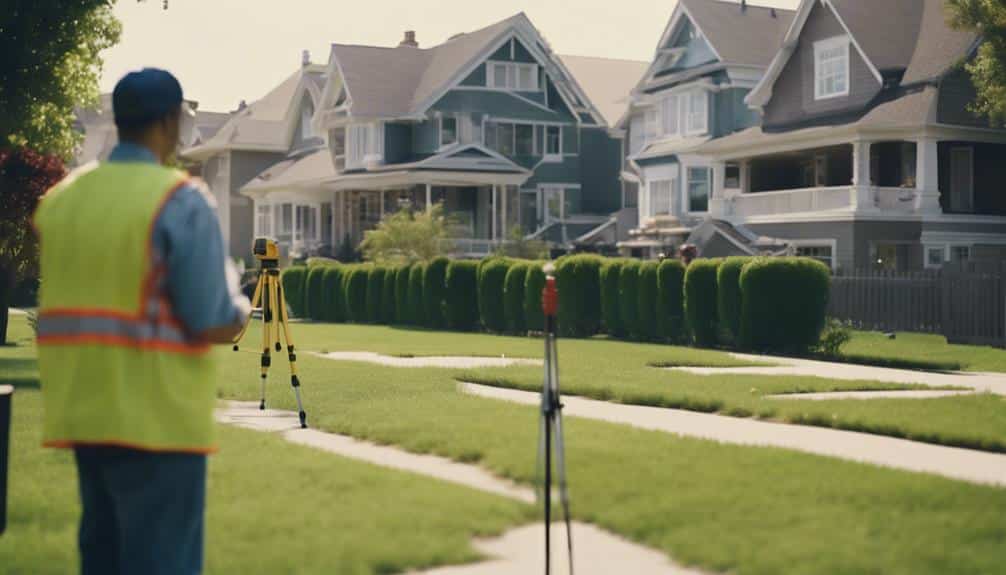
If you’re still unsure about your boundary fence, it’s time to bring in the pros.
Surveyors can clearly mark property lines, while mediators help resolve disputes peacefully.
For more complex issues, attorneys can offer legal solutions like quiet title actions and adverse possession claims.
When to involve surveyors, mediators, attorneys
Consulting professionals like surveyors, mediators, or attorneys can provide critical clarity and resolution in boundary disputes. When you’re facing property disputes, it’s essential to know when to bring in experts to guarantee fair and accurate outcomes. Here are some scenarios where professional assistance is invaluable:
- Complex Boundary Conflicts: When property lines are unclear or disputed, a professional assessment from a surveyor can pinpoint the exact boundaries and help resolve conflicts.
- Escalated Disputes: If a disagreement with a neighbor turns into a heated conflict, legal mediation can offer a structured environment to negotiate and settle the issue amicably.
- Legal Documentation: In cases where official property records or legal documents are needed, an attorney can guide you through the legal processes and ensure everything is in order.
How professional surveys establish boundaries
Professional surveys play a pivotal role in clearly defining property boundaries, ensuring both clarity and legal compliance. When you hire land surveyors, they use their expertise to conduct precise property surveys. These professionals help resolve boundary disputes by accurately identifying the edges of your property.
During a property survey, land surveyors measure and map your land. They use survey markers, like stakes or flags, to mark the boundaries. These markers are essential for maintaining survey accuracy and ensuring everyone knows where one property ends and another begins.
You might wonder why this is important. Well, accurate boundaries prevent conflicts with neighbors and help you avoid legal issues down the road. Knowing exactly where your property lines are means you can confidently build fences, plant trees, or make other changes without stepping on someone else’s land.
Land surveyors also provide you with a detailed map of your property, showing the exact measurements and boundaries. This document is invaluable for any future property transactions or improvements.
Using mediation to resolve disputes
Sometimes, involving a neutral third party through mediation can be the key to resolving boundary disputes amicably. Mediation is an effective way to address conflicts without escalating tensions. Plus, it’s a lot cheaper than going to court.
Here are some benefits of using mediation:
- Mediation benefits: It saves time and money, and helps maintain good neighborly relations.
- Mediator qualifications: Professional mediators are trained in conflict resolution and can guide both parties to a fair agreement.
- Mediation process: It’s informal and flexible, allowing for creative solutions that mightn’t be possible in a courtroom.
When you choose mediation, you’re opting for a process that focuses on mutual understanding and cooperation. A mediator, who’s a neutral third party, will facilitate discussions and help you and your neighbor find common ground. It’s important to confirm that the mediator you select has the right qualifications, which generally include training in conflict resolution and experience in handling similar disputes.
Legal remedies like quiet title and adverse possession
When mediation doesn’t resolve the issue, you might need to contemplate legal remedies like quiet title actions or adverse possession claims. These options can settle property disputes when informal methods fail. A quiet title action clarifies ownership by asking the court to rule on the rightful owner, relying on legal precedents and prior court rulings. It’s a good way to validate your claim if there’s confusion about who owns the boundary fence.
Adverse possession, on the other hand, allows you to gain legal ownership of property if you’ve used it openly and continuously for a certain period, often defined by state laws. This method requires you to prove that your use of the land meets specific criteria.
Here’s a quick comparison:
| Legal Remedy | Purpose | Requirements |
|---|---|---|
| Quiet Title | Clarify ownership through courts | Legal precedents, court rulings |
| Adverse Possession | Gain ownership through use | Continuous, open use over time |
| Mediation | Informal resolution | Mutual agreement |
Seeking professional assistance assists you in choosing the right path for your situation. Legal experts can guide you through court procedures and help validate your claim, giving you peace of mind and a sense of belonging in your community.
Special Cases
Sometimes, figuring out which boundary fence is yours gets tricky due to special cases like adverse possession, boundary agreements, or longstanding acquiescence.
Adverse possession might actually transfer ownership if someone openly uses land for a long time. Neighbors can also agree on boundaries, or simply accept them over years, making these situations unique.
Adverse possession transferring ownership
In certain rare cases, adverse possession can transfer ownership of a boundary fence to a neighbor who’s openly used and maintained the land over a statutory period. Adverse possession means that if your neighbor has been caring for a piece of land—mowing the lawn, fixing the fence, or planting flowers—without your permission for a certain number of years, they might actually gain legal ownership of it.
To better understand, consider these points:
- Legal definitions: You’ll need to know the specific laws in your state, as each one has its own rules for adverse possession.
- Ownership claims: Your neighbor must meet specific criteria, like open and notorious use, to make a legitimate ownership claim.
- Property disputes: Adverse possession often arises from misunderstandings or disputes, so clear communication and documentation can prevent issues.
Land surveys and neighbor agreements can help avoid such situations. A land survey clarifies property boundaries, and having a written agreement with your neighbor can prevent future disputes.
If you think adverse possession might be at play with your boundary fence, it’s a good idea to consult with a real estate attorney to explore your options and protect your property rights.
Boundary by agreement between neighbors
Neighbors can often settle boundary disputes amicably through a mutually agreed-upon boundary line. This approach can save you time, money, and stress. If you and your neighbor both agree on where the boundary should be, you can make a neighbor agreement that works for both parties. Mediation benefits include having a neutral third party help you reach an agreement, which can be especially useful if there’s any tension.
Verbal agreements can be a starting point, but it’s usually a good idea to put everything in writing to avoid future misunderstandings. Informal arrangements can work, but documenting your agreement ensures clarity. Plus, when it comes to shared costs for building or maintaining a boundary fence, it’s always best to be clear about who pays for what.
Here’s a quick guide:
| Aspect | Details |
|---|---|
| Mediation Benefits | Neutral party helps resolve issues |
| Neighbor Agreements | Both parties agree on the boundary |
| Shared Costs | Split expenses for fence upkeep |
| Verbal Agreements | Start here, but document it |
| Informal Arrangements | Work well, but write it down |
Being proactive and friendly can help you and your neighbor come to a fair and lasting agreement, making your community feel more like home.
Boundary by acquiescence over time
When property lines blur over the years, a boundary by acquiescence can establish a new, legally recognized border. This happens when neighbors informally accept a dividing line for an extended period. Over time, this informal agreement can turn into a legally binding boundary, even if it wasn’t the original property line.
Understanding this involves:
- Historical precedent: Past cases where courts have recognized long-standing boundaries.
- Case studies: Real-life examples where property disputes were resolved through acquiescence.
- Community norms: How local practices and unwritten rules can shape property lines.
Imagine a fence that’s stood for decades, marking what both you and your neighbor believe to be the boundary. Neither of you questions it, so the fence becomes the de facto line. This is an example of how community norms and historical precedent can evolve into legal recognition.
Legally, the concept of boundary by acquiescence reflects the evolution of laws to accommodate real-life scenarios, reducing property disputes. Courts consider evidence like how long the boundary has been accepted and whether both parties treated it as the true border.
Conclusion
Now that you know the 5-step process to determine which boundary fence is yours, it’s essential to remember the importance of doing your research, communicating with neighbors, and documenting everything.
Resolving any issues amicably can save you a lot of trouble down the road. If you need more help, there are plenty of resources available to guide you.
Recap of 5-step determination process
In conclusion, let’s quickly recap the 5-step process to determine which boundary fence is yours. This guide helps you confidently address fence maintenance, property taxes, zoning regulations, building permits, and neighbor disputes.
First, review your property’s deed and plat map. These documents show boundary lines and help you confirm fence ownership.
Second, check local zoning regulations. Zoning laws often dictate fence placements, so understanding them can clarify ownership.
Third, consult with your neighbors. A friendly chat can resolve uncertainties and prevent future disputes.
Fourth, examine any existing agreements. Past agreements between you and previous owners or neighbors might outline fence responsibilities.
Lastly, get a professional survey if needed. A surveyor can provide an accurate assessment of your property lines.
Here are three key points to remember:
- Documentation: Keep copies of all relevant documents.
- Communication: Regularly talk with your neighbors to avoid misunderstandings.
- Professional Help: Don’t hesitate to hire a surveyor if things aren’t clear.
Importance of research, communication, documentation
Thorough research, open communication, and meticulous documentation are essential in resolving boundary fence issues effectively. When you dig into the historical context of your property, you uncover vital details that can clarify ownership. Title insurance can also provide insights into property boundaries, helping you avoid or resolve property disputes.
Don’t hesitate to talk with your neighbors about boundary lines. Clear communication prevents misunderstandings and fosters a sense of community. Documenting conversations and agreements is just as significant. Keep records of any discussions about the fence, including who’ll handle fence maintenance and repairs.
Legal precedents can also play a significant role in determining fence ownership. Familiarizing yourself with local laws and past court cases helps you understand your rights and responsibilities better. It’s a smart move to consult legal experts or property surveyors if things get complicated.
Resolving issues amicably
By maintaining lines of communication open and approaching the situation with empathy, you can often resolve boundary fence issues without legal intervention. Effective communication strategies can help you and your neighbor find amicable solutions that benefit both parties.
Here are some steps you can take to guarantee a smooth conflict resolution process:
- Neighbor mediation: Sometimes, involving a neutral third party can help facilitate a fair discussion between you and your neighbor.
- Dispute avoidance: Clear and open dialogue from the beginning can prevent misunderstandings and help you avoid disputes altogether.
- Amicable solutions: Focus on finding a mutually beneficial agreement rather than winning the argument.
When talking to your neighbor, it’s important to listen actively and show that you understand their point of view. This approach fosters a sense of belonging and mutual respect.
Start by discussing your concerns calmly and clearly. Avoid accusatory language, and instead use “I” statements like, “I’ve noticed our fence is in need of repair. How do you feel about working together to fix it?”
Resources for further assistance
If you’re unable to resolve the boundary fence issue amicably, several resources can offer further assistance. First, consider reaching out to government agencies in your area. They often have departments dedicated to property and land management that can provide guidance.
Don’t forget to check your local real estate office; they’ve access to property records and can help clarify who owns what.
Another great resource is seeking legal aid. Many communities offer free or low-cost legal services that can assist you in understanding property laws and your rights. These professionals can provide you with a clear path forward if disputes escalate.
Community forums can also be an invaluable resource. These platforms allow you to connect with neighbors who might’ve faced similar issues. You can share experiences, seek advice, and find support from people who understand your situation.
Lastly, don’t overlook professional organizations. Groups like the American Land Title Association or local surveyors’ associations can offer expert advice and resources. They can help you navigate the complexities of property boundaries with confidence.
With these resources, you’ll be better equipped to tackle any boundary fence issues that come your way.
Frequently Asked Questions
How Do I Handle a Dispute Over Fence Ownership With a Neighbor?
Start by communicating with your neighbor to discuss the issue. If that doesn’t work, consider using mediation services. A property survey can clarify boundaries, leading to a boundary agreement. Share fence maintenance responsibilities for harmony.
Can I Remove a Boundary Fence Without My Neighbor’s Consent?
You can’t remove a boundary fence without your neighbor’s consent. It’s a shared responsibility. Discuss property responsibility and fence maintenance with them first. Mutual agreement guarantees smooth fence removal and respects your shared boundaries.
What Are the Legal Implications of an Encroaching Fence?
When dealing with an encroaching fence, you might face trespassing liabilities or adverse possession claims. Property easements and boundary disputes can complicate matters, but you have legal recourse. Always seek professional advice to protect your rights.
How Do I Find Historical Property Boundary Records?
Imagine your property as a puzzle piece. To find its historical boundaries, get a land survey, check property deeds, conduct a title search, and explore county records and plat maps. You’ll uncover your piece’s true fit.
Are There Any Tax Benefits or Deductions for Maintaining a Boundary Fence?
You might be eligible for tax credits or depreciation benefits related to fence maintenance costs. Track your expenses carefully, as they could contribute to your property value and offer potential deductions during tax season.
Conclusion
Finding out which boundary fence is yours is like solving a puzzle. You’ve got to gather all the pieces—your property deed, local laws, physical markers, and your neighbor’s input.
If the puzzle pieces don’t fit, don’t hesitate to call in a professional to help. Think of your property as a kingdom; knowing your boundaries keeps the peace and guarantees everyone’s happy.
Follow these steps, and you’ll be the ruler of your domain in no time!